Film
★ 6.8
1931
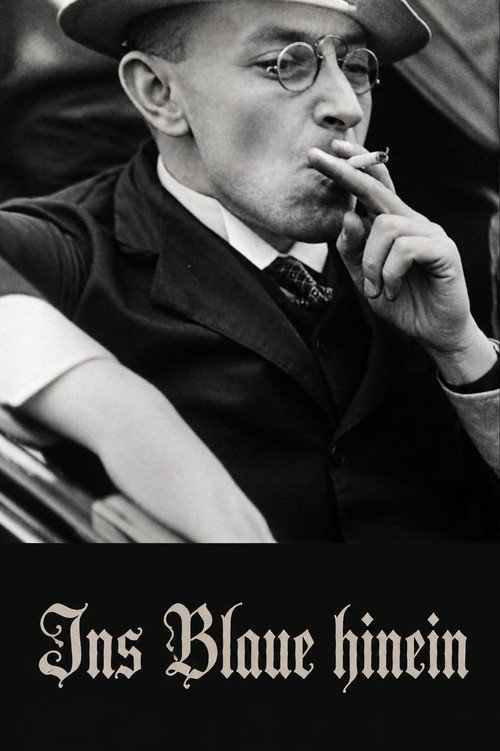
Into the Blue
A recent rediscovery, master cinematographer Schüfftan’s only film as a director is a free-spirited, fast-paced ode to being young, free, hopeful... and completely broke.
Open details →
Filmmaker
Born
1893-07-21 · 84 yrs
Died
1977-09-06
From
Breslau, Silesia, Germany [now Wroclaw, Dolnoslaskie, Poland]
Known for
Camera
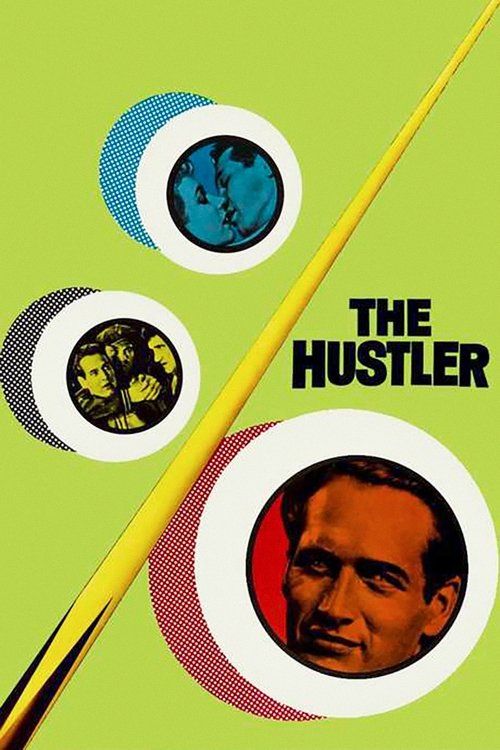
From Wikipedia, the free encyclopedia Eugen Schüfftan (21 July 1893, Breslau, Silesia, Germany, now Wroclaw, Poland – 6 September 1977, New York City) was a German Jewish cinematographer. He invented the Schüfftan process, a special effects technique that employed mirrors to insert actors into miniature sets. One of the first uses of the process was for Metropolis (1927), directed by Fritz Lang. The technique was widely used throughout the first half of the 20th century until it was supplanted by the travelling matte and bluescreen techniques. Schüfftan won the 1962 Academy Award for Best Cinematography, Black-and-White for his work on the film The Hustler.
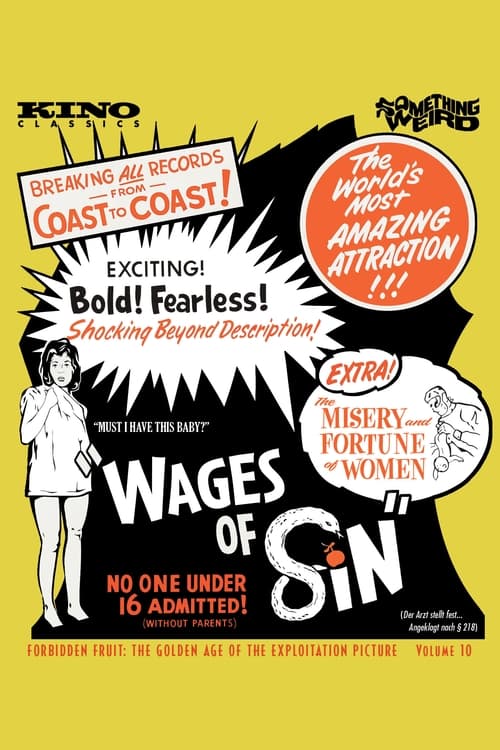
1966
A serious Swiss melodrama/documentary about abortion, marketed as a sexy exploitation movie in the US. The film contains real medical footage.
Open details →
Director of Photography
Director of Photography

1963
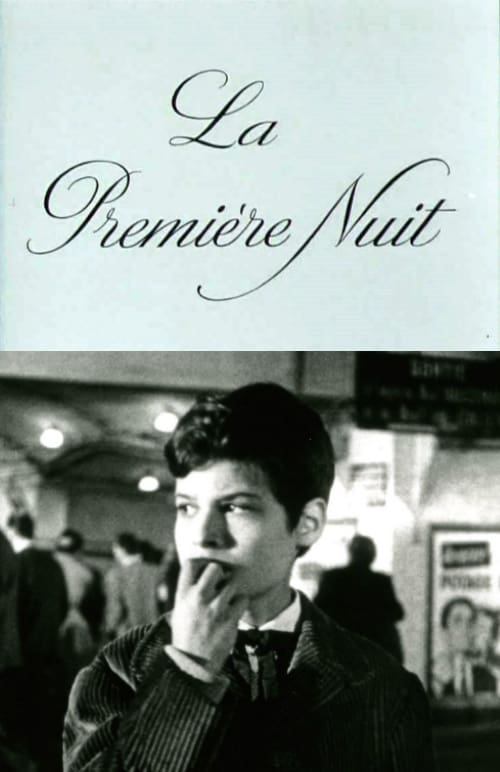
The story of five girls that lose their virginity.
Open details →
Director of Photography
Showing 36 of 53 credits (through 1936)