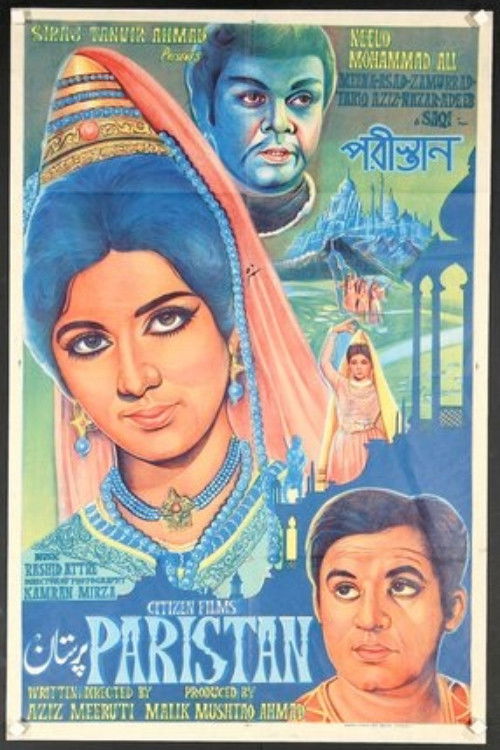
Film1968ParistanA mystery fantasy film starring Neelo, Mohammad Ali, Yousuf Khan, and Zamurrad, directed by Aziz MeerutiOpen details →
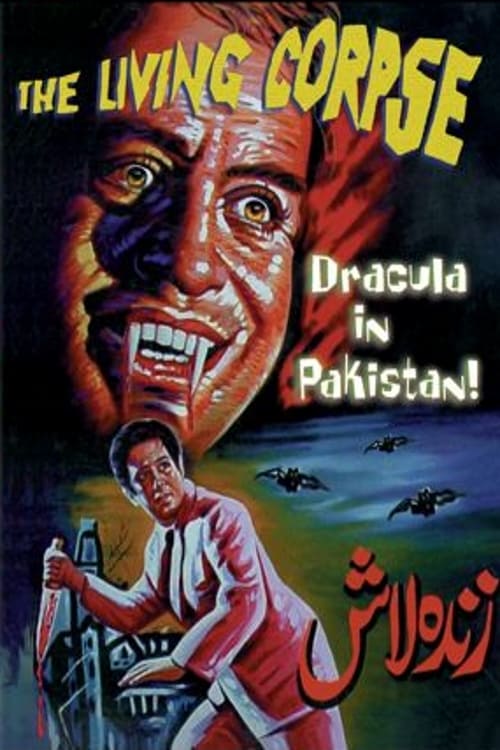
Film★ 6.11967Zinda Laash (The Living Corpse)A rendition of the Dracula tale with many similarities to the British 1950s Dracula.Open details →
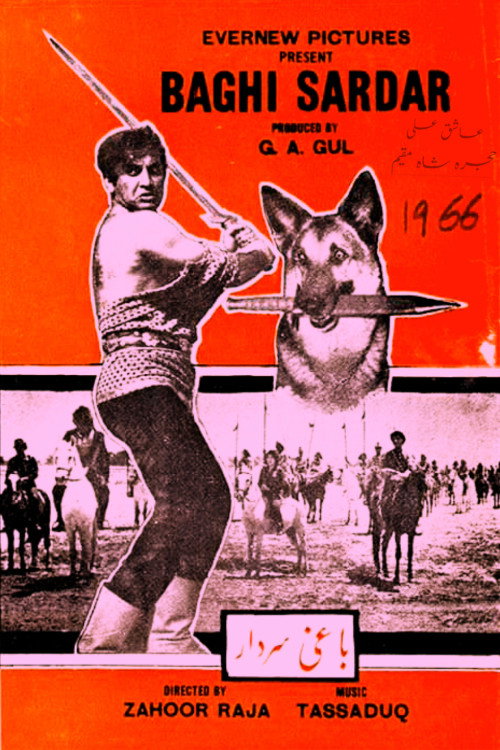
Film1966Baghi SardarA courageous tribal hero rises against a tyrannical local leader to defend his people’s honor and rights. Forced into rebellion, he leads a band of outlaws in a high-stakes struggle for justiceOpen details →
AadilFilm★ 6.01966AadilThis film was a re-make of Indian film Al-Hilal (1958) by its Indian director Akkoo.Open details →
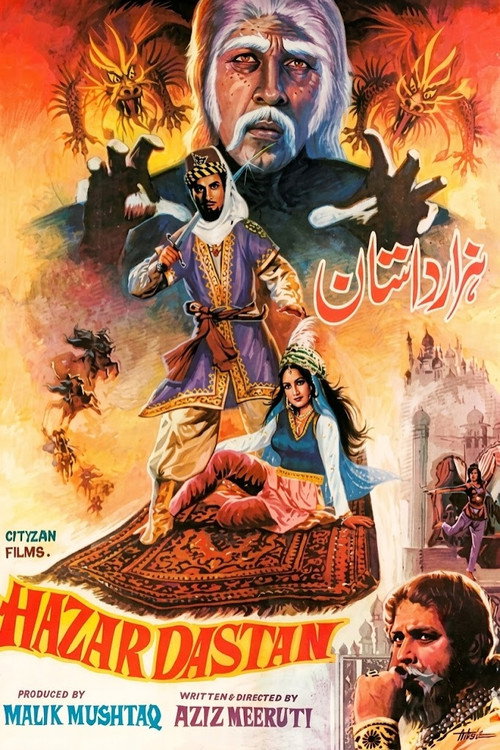
Film1965Hazar DastaanA fisherman discovers his royal heritage and battles a sorcerer using body-swapping magic to protect his kingdom and a mystical diamond.Open details →
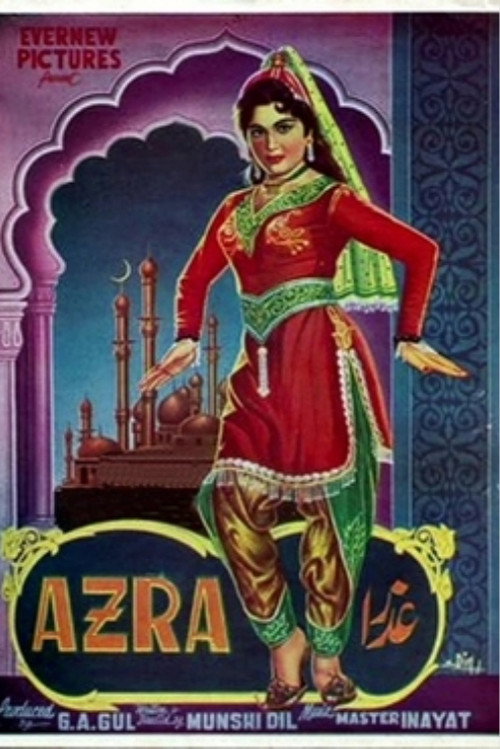
Film1962AzraA sweeping costume drama based on the legendary folk tale of Azra Wameq. After a chance encounter, a high-born princess brings a mysterious stranger into the palace as an honored guest. As they grow closer within the royal walls, their secret affection risks exposure, threatening to shatter the divide between commoner and crown.Open details →
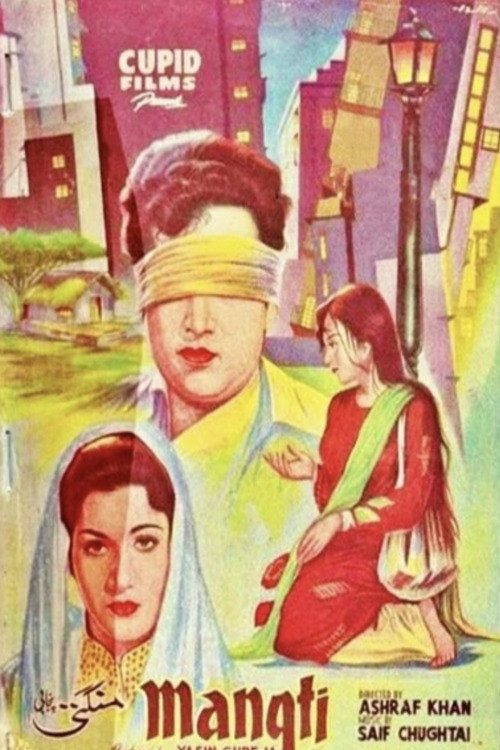
Film★ 10.01961MangtiMangti (1961) is a Pakistani Punjabi drama film directed by Ashraf Khan and released on May 26, 1961. The film stars Bahar Begum, Aslam Pervaiz, and Sultan Rahi, featuring music by Saif ChughtaiOpen details →
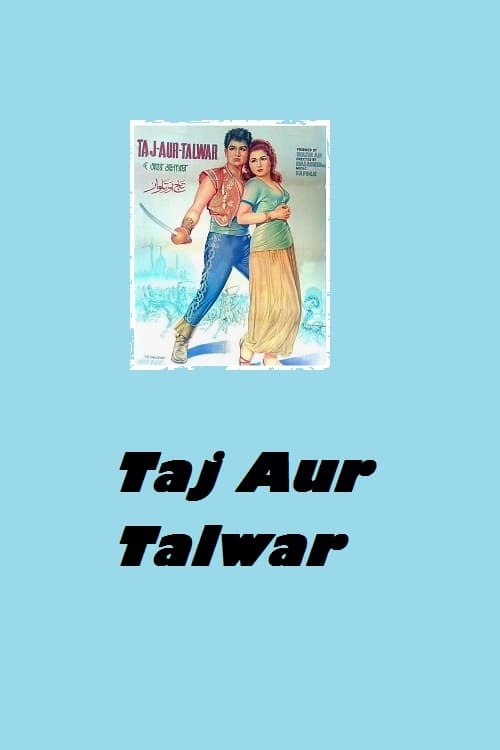
Film★ 10.01961Taj Aur TalwarTaj Aur Talwar (1961) is a Pakistani Urdu-language costume drama released on May 26, 1961, directed by Riaz Ahmad Raju and produced by Films Hayyat. The film stars Rattan Kumar and featured the debut of actress Razia.Open details →
HabuFilm★ 10.01961HabuHabu (1961) is notable as Pakistan's first "jungle film," directed by Rahim Gul and released on April 28, 1961. Starring Husna and Habib, with a story set against a jungle backdrop.Open details →
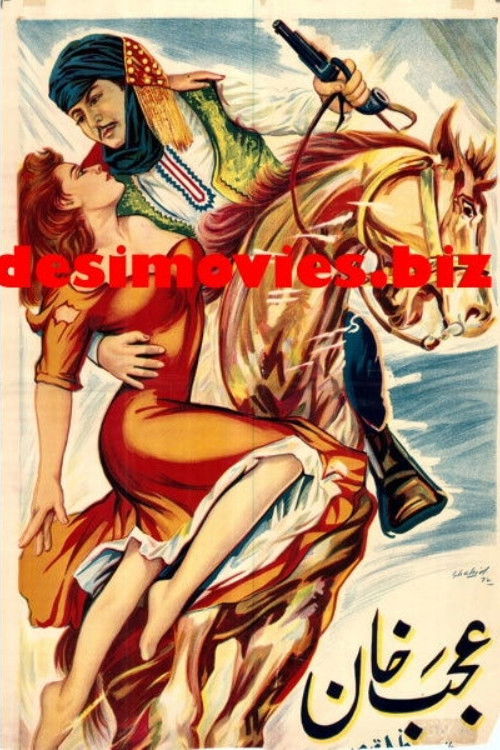
Film1961Ajab KhanIn 1923, after British forces insult his village’s honor, Pashtun tribesman Ajab Khan Afridi leads a daring rebellion against the Raj. His quest for justice soon ignites a massive standoff that challenges the might of the British Empire on the North-West Frontier.Open details →
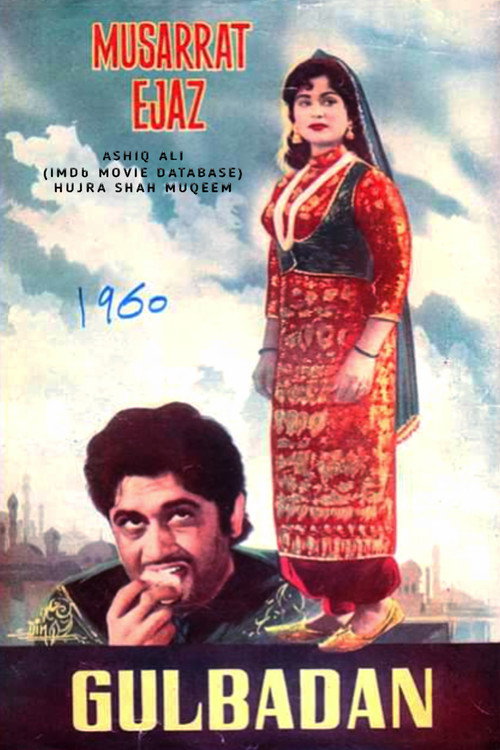
Film1960GulbadanA traveling merchant who disguises himself as a prince, leading him into a dangerous web of magic, sorcery, and royal politics.Open details →
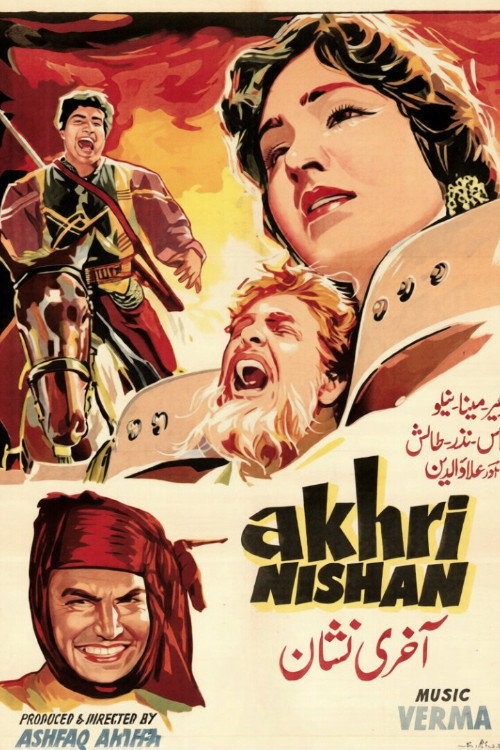
Film1958Aakhri NishanAakhri Nishan (1958) is a Pakistani Urdu-language action film. Directed by Ashfaq Malik, starring Sudhir, Meena Shorey, and Neelo.Open details →
Film★ 10.01957SardarThe Urdu film Sardar (1957) was directed by M.S. Dar. A story about love, hatred, revenge, politics, and conflicts between the two tribes of Sandal's and Gondal's.Open details →
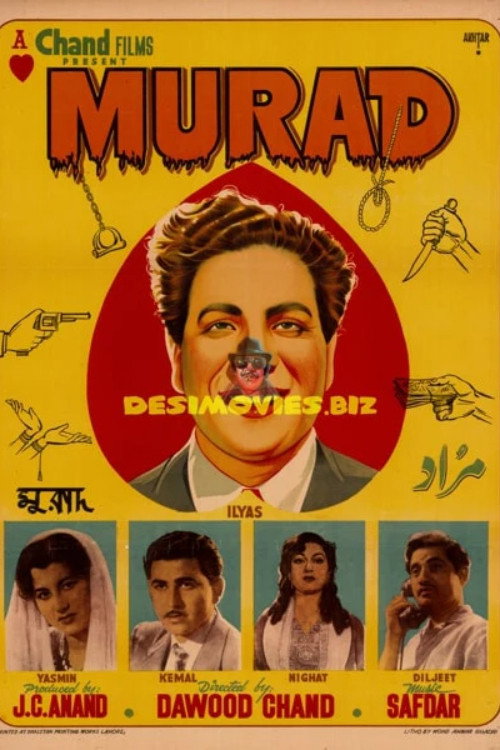
Film1957MuradMurad (1957) is a lost Pakistani film not much is known about this film however we do know that it was a Musical Romance it had a hit song Ho chukka intezar sonay dey,Aey dil-e-beqarar sonay dey Sung by Iqbal Bano,written by Qateel Shifai and music by Safdar HussainOpen details →
Film1957NooranA great musical and romantic film, which was inspired by the story of Heer Ranjha.Open details →
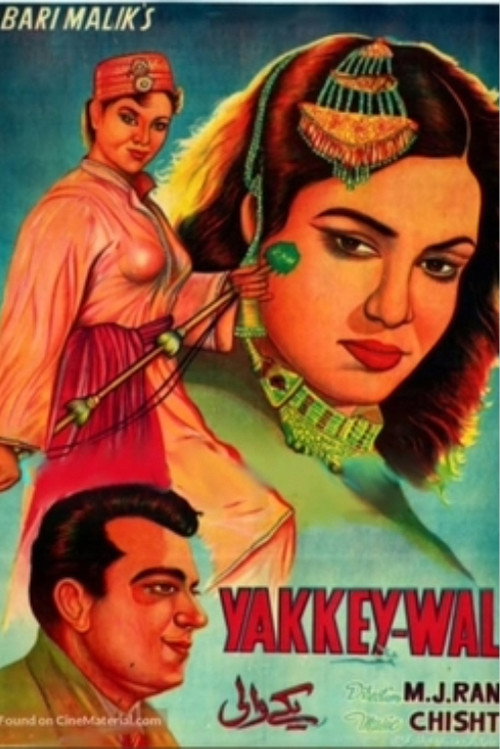
Film★ 10.01957Yakke WaliLaali drives a tanga to keep her family fed. When village life forces her out, she arrives in Lahore with nothing but her horse and her nerve. Inspired by the short story "License" by Saadat Hassan MantoOpen details →
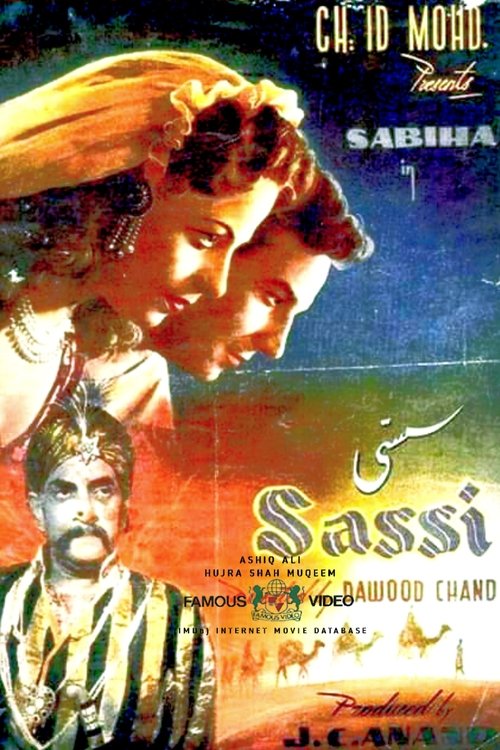
Film★ 8.01954SassiSassi faces hardships and difficulties while seeking his beloved husband, who was separated from her by the rivals.Open details →
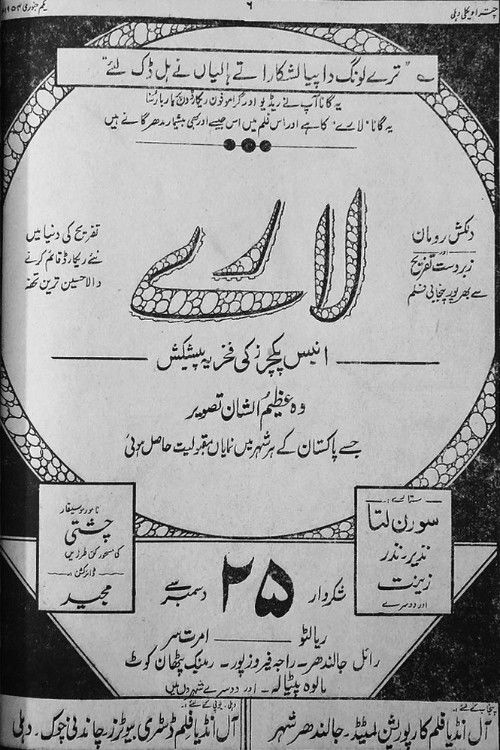
Film1950LarayFollowing the blockbuster success of Pheray (1949), filmmaker Nazir Ahmed Khan reunited his "Pheray-team" for this landmark Punjabi musical romance. Starring the husband-and-wife duo Nazir and Swaran Lata, Laray is celebrated for its legendary soundtrack by music director Baba G.A. Chishti. Featuring the voices of Munawar Sultana and Inayat Hussain Bhatti.Open details →
Film★ 8.51948Teri YaadThe year 1947 saw the independence of Pakistan. During this time, the Indian film industry was segregated and the only film production centre left in Pakistan was at Lahore. With the industry reeling in its infancy, it was hard to work on film productions that had been initiated before the independence as many of the working filmmakers and actors had left for or stayed back in India.Open details →