
Series
★ 7.9
1992
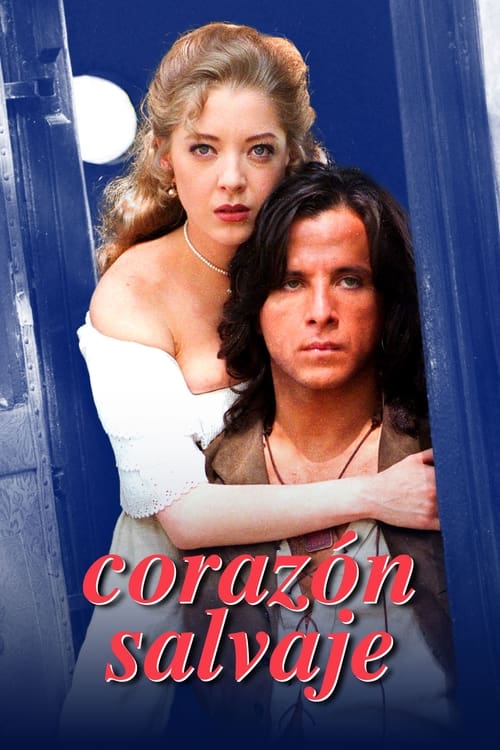
Corazón salvaje
A telenovela that dramatizes the romances and rivalries between two brothers and two sisters in Mexico between the years 1885 and 1900.
Open details →

Ines Duarte, Secretaria is a Venezuelan telenovela that was produced by and seen on Venevisión. It was written by Alicia Barrios and directed by Ramon Tovar. This telenovela lasted 238 episodes and was distributed internationally by Venevisión International.
Tap a face for their filmography
Tap a face for their filmography
Tap a face for their filmography
Season 1
238 episodes · 1990
1992
A telenovela that dramatizes the romances and rivalries between two brothers and two sisters in Mexico between the years 1885 and 1900.
Open details →

2012
¡Válgame Dios! is a Spanish-language Venezuelan telenovela written by Mónica Montañéz for Venevisión. Sabrina Seara and Eduardo Orozco star as the main protagonists while Ricardo Alamo, Carlota Sosa and Raquel Yanez star as the main antagonists.
Open details →
1987
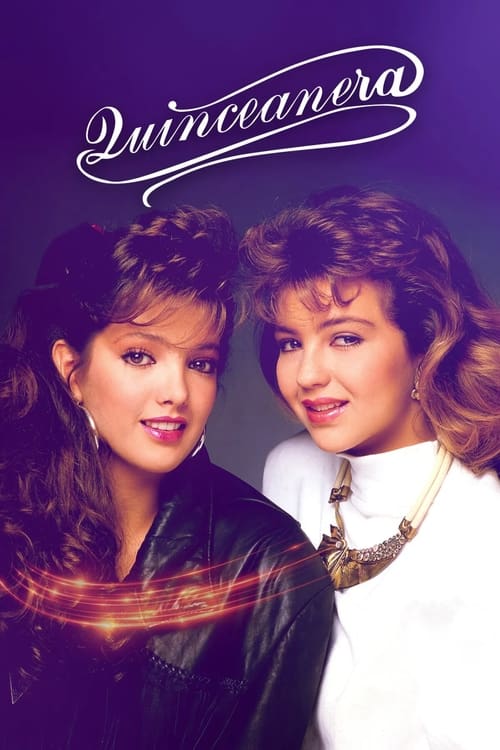
Maricruz and Beatriz are school friends; Beatriz comes from a well-to-do family, whereas Maricruz belongs to a lower socioeconomic stratum. Both are on the verge of turning fifteen and are preparing to leave childhood behind. Issues within their family and social environments affect them directly; for Beatriz, her parents' marital breakdown becomes the primary obstacle to overcome, compounded by a sexual awakening fraught with taboos and misinformation. Meanwhile, Maricruz must contend with her mother's overprotectiveness and prejudices, as well as the tension caused by a neighbor who is obsessed with her.
Open details →

2001
In the village of San Andres, the rivalry between two families the Valdes and the Ramirez is centered on "El Manantial", a beautiful fountain of water that happens to bathe the small property of the Valdes and not the neighboring ranch, the rich and prosperous hacienda "Piedras Grandes", where the best cattle are raised and is property of the Ramirez. But the spring is not the real reason for the hatred between the families. Justo Ramirez, married to Margarita Insunza, had a relationship with Francisca Rivero, wife of his enemy and neighbor Rigoberto Valdes. This relationship, founded in the betrayal, will cause the utmost bitterness and the destruction between the two families. The Valdes have a beautiful daughter named Alfonsina, who was born in the same year as Alejandro, the son and heir of the Ramirez. Although they have grown separately with their souls full of prejudices against their respective families, the two cannot avoid feeling attracted to each other. Margarita will not permit this and so she tells her husband to make sure her son will never be together with Alfonsina so he could marry Barbara, her cousin's daughter. Justo rapes Alfonsina and she leaves along with her mom and her aunt. Five years later... Alfonsina is graduating from school and has a good life until her mother commits suicide because she found out she was deathly ill and could no longer live with the guilt of her lifestyle. Before dying, her mother confesses to Alfonsina that Justo Ramirez destroyed her life and after that Alfonsina vows revenge on the man who destroyed her family. She returns to San Andres and there she once again sees Alejandro who is now engaged to Barbara. Their love is still present in their hearts. They will have to fight for their love and see if they can be happy by the shores of El Manantial... El Manantial is a Mexican telenovela that first aired in 2001, starring Adela Noriega and Mauricio Islas. The telenovela received TVyNovelas Award for Best Telenovela, in 2002.
Open details →
2006
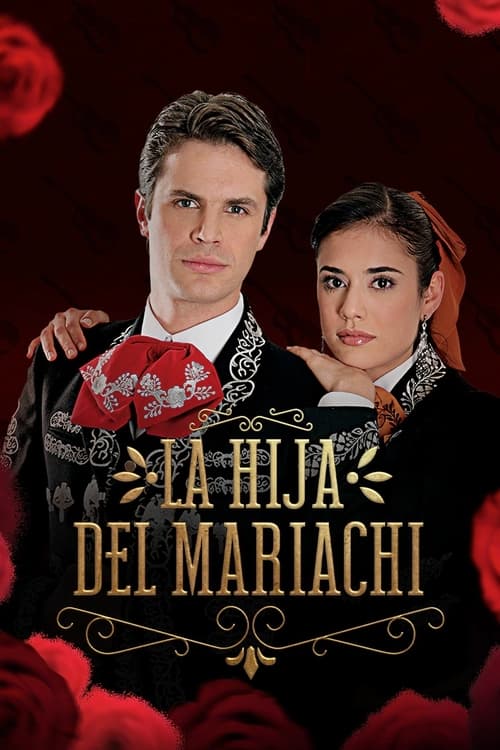
Emiliano, a wealthy Mexican businessman, is ripped off by his friends and partners. Hidden in Bogotá, he receives help from Rosario, a mariachi singer. She does not know Emiliano’s background and that he is wanted by the police of two countries and by a criminal organization. With a new name and personality, he adapts well to his new life as a mariachi band member and finds in Rosario the love of his life. But he is afraid his secret will tear them apart. He needs to clear his name and resolve his case to avoid that fate. Meanwhile, he often finds his love tested and vulnerable to several rivals, but Rosario always trusts that he has been honest with her.
Open details →

2009
Paulino Córdoba, Gabino Roura, Rodolfo Huerta, and Matías Quiroga have been friends since childhood; however, as adults, their priorities shifted, and a sin now threatens to destroy their friendship. Paulino owns the El Milagro apple hacienda and is married to Rosario; they have two children, César and Lucrecia. Rosario has always favored her son while openly rejecting her daughter. Lucrecia was raised by Delfina, Rosario’s maid and Manuel’s mother.
Open details →
1999
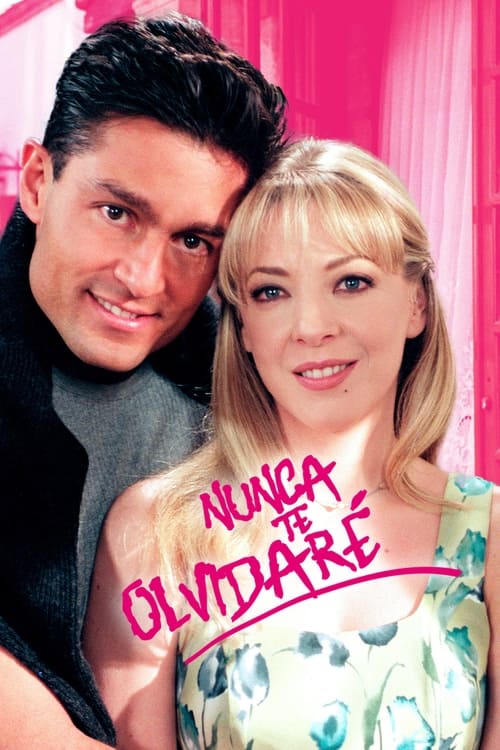
Nunca te olvidaré is a Mexican telenovela produced by Juan Osorio for Televisa in 1999. It is based on a novel by Caridad Bravo Adams and starring Edith González, Fernando Colunga and antagonistic interests of Alma Muriel, Eugenia Cauduro and Humberto Elizondo.
Open details →

2012
La Mujer Del Vendaval is a 2012 Mexican telenovela produced by Mapat L. de Zatarain for Televisa. It is a remake of the Venezuelan telenovela Un Esposo para Estela. Ariadne Díaz and José Ron star as the main protagonists, while Chantal Andere, Marco Muñoz, Manuel Flaco Ibañez and Florencia del Saracho as the main antagonists.
Open details →
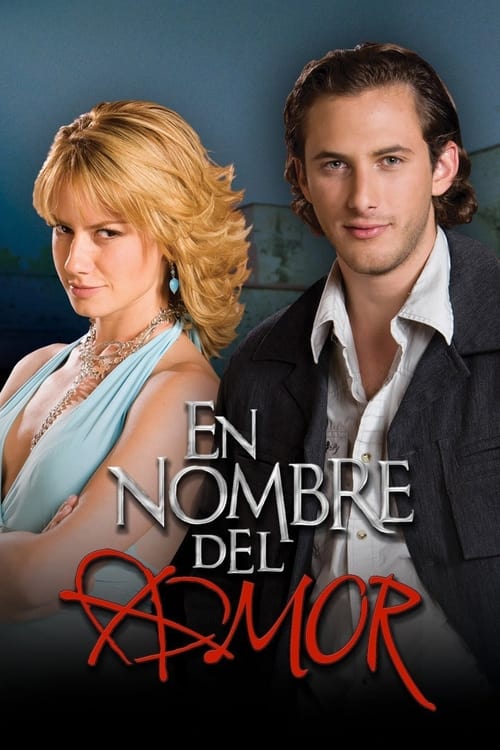
2008
En Nombre Del Amor is a Mexican telenovela produced by Televisa. It is a remake of Cadenas de Amargura. En Nombre Del Amor was produced by Carlos Moreno, and filming began on August 4, 2008. It premiered in the United States July 7, 2009 on Univision and ended its run on March 7, 2010 in a two-hour grand finale on a Sunday. Starring for Allison Lozz and Sebastián Zurita, as adult stars Victoria Ruffo, Arturo Peniche with Leticia Calderón as the villain protagonist and main villain, co-starring for Laura Flores, Alfredo Adame, Víctor Cámara, and the participation of Altair Jarabo as youth antagonist.
Open details →
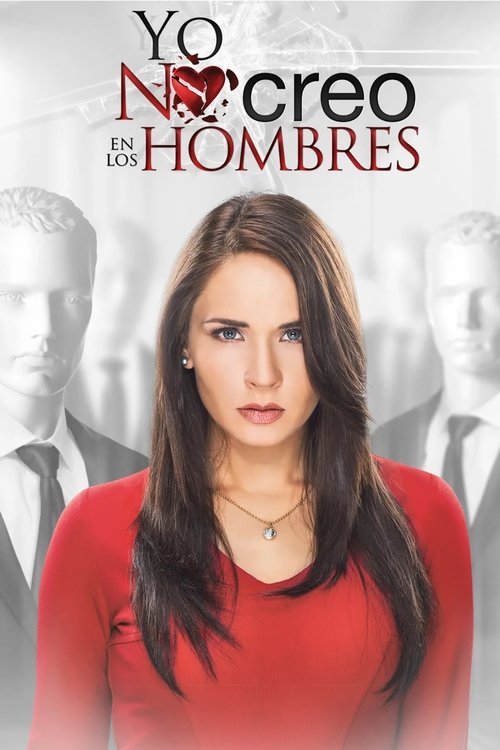
2014
Yo no creo en los hombres (I don't trust men anymore) is a Mexican telenovela produced by Giselle González for Televisa. It is based on Yo no creo en los hombres (1991), produced in México.
Open details →

2014
La Impostora, is a Spanish-language telenovela presumably to be produced by United States-based television network Telemundo Studios, Miami.
Open details →
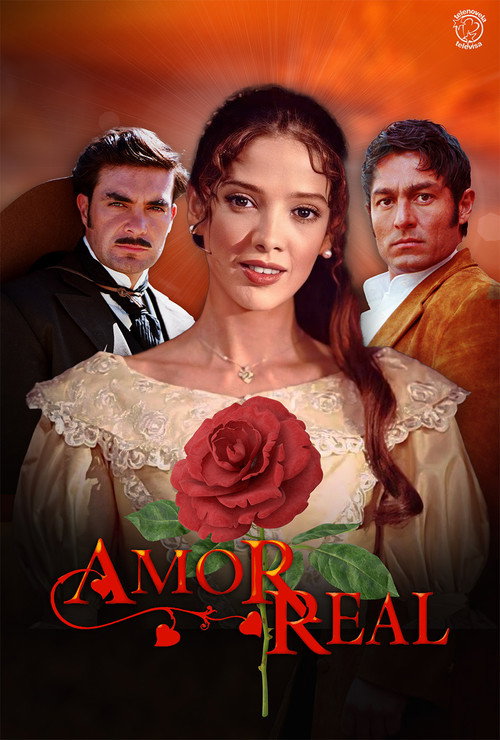
2003
True love threatens to tear a family apart in this epic Mexican serial set in the 1800s. Rich and beautiful Matilde falls in love with Adolfo, but her mother, Augusta, disapproves of the relationship when she learns Adolfo is poor. Augusta forces her daughter to marry rich and handsome Manuel Fuentes Guerra, but Matilde plays with fire by continuing to be with Adolfo. Adela Noriega, Fernando Colunga, Helena Rojo and Chantal Andere star.
Open details →
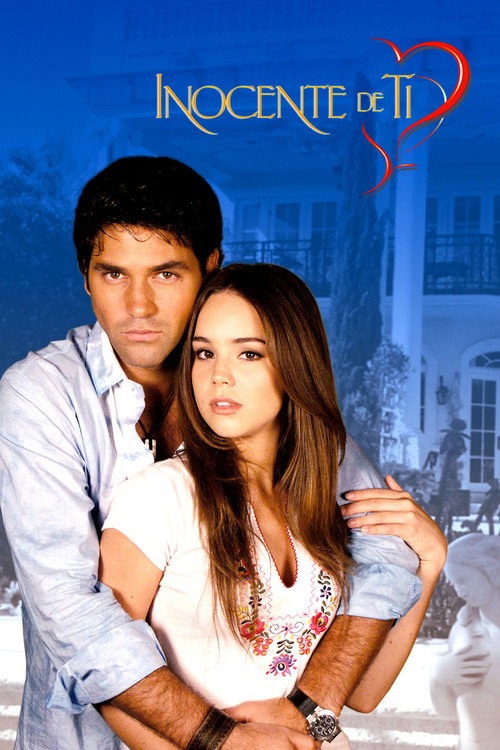
2004
Inocente de Ti is a Miami-based 130 episode telenovela that first aired on the Univision network in 2005. It features Camila Sodi, Valentino Lanús, and Helena Rojo.
Open details →
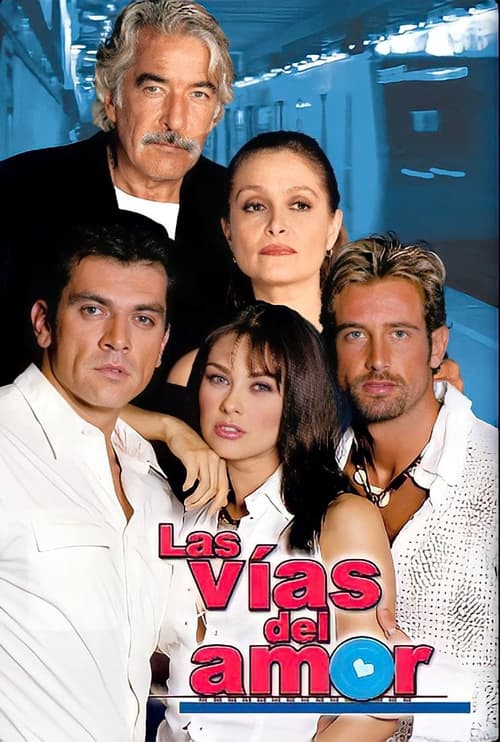
2002
Las Vías del Amor is a Mexican telenovela that aired on the Televisa channel in Mexico and Univision in the United States from 2002-2003.
Open details →

2012
When Refugio and her three sons—Patricio, Edmundo, and Ignacio—are forced out of their home, a twist of fate brings them to Mexico City, where they begin a new life. Eighteen years later, they are settled in a small apartment in a working-class neighborhood. Refugio holds a modest job; although she suffers from serious vision problems, she neglects her own health to attend to her sons' needs. Patricio is studying law and dreams of a comfortable, prosperous future; his mother admires him for his charitable nature. Meanwhile, Edmundo begins courting Lucero—unintentionally hurting Ignacio, who secretly loved her—while Refugio tries in vain to make Patricio understand that he will never be happy with Olga.
Open details →

2009
Danna Paola stars as Patito, Eleazar Gómez as Mateo, Violeta Isfel and Cynthia Klitbo, play antagonist roles as Antonella and Bianca. The telenovela features adult protagonists also, René Strickler and Vanessa Guzmán. It first aired on Sunday, 8 March 2009, as the first telenovela to debut on a Sunday in Mexico. After a year of success, becoming a major hit in Mexico, especially among children, its final episode was also on a Sunday, 7 March 2010.
Open details →

2010
Para Volver a Amar is a Televisa telenovela that aired on the Canal de las Estrellas channel in Mexico from July 12, 2010 to January 30, 2011. It stars Rebecca Jones, Rene Strickler, Alejandro Camacho, Alejandra Barros, and Africa Zavala. The Mexican version however is taken from the original Colombian soap opera series "El Último Matrimonio Feliz". The story is about six women who befriend each other and help each other deal with the pains of life, particularly in regards to marriage and relationships. They'll realize that even amidst their problems, happiness is not impossible to attain. It won seven Premios TVyNovelas awards for Best Telenovela of the Year, Best Male Villain, Best First Actress, Best First Actor, Best Co-Star Actress, Best Co-Star Actor, and Best Young Lead Actor. Para Volver a Amar aired in the United States on Univision from March 8, 2011 to October 28, 2011 at 12am/11pm central.
Open details →

2010
María Alejandra Rivas Cavalier, a young aspiring surgeon with a prestigious family name, joins the highly regarded internship program at Santa María University Hospital. There, alongside a group of new friends and her relationship with renowned surgeon Andrés Guerra, she faces medical and personal challenges that shape her journey. Amid intriguing medical cases and the quest for her own path, the hospital becomes her new home and the stage where friendship, love, and sacrifice intertwine.
Open details →

2012
Victoria Balvanera owns a vast expanse of land and a prestigious advertising agency. She is married to the landowner Nelson Brizz. Following an attempted kidnapping, she finds love with José Ángel—her rescuer and the estate's new foreman.
Open details →

1979
Popular telenovela produced in Mexico in 1979, starring Verónica Castro, Rogelio Guerra and Rocío Banquells. Castro also sang the theme Aprendí a Llorar, a song written by Lolita de la Colina. The telenovela was produced by Chilean Valentín Pimstein and Carlos Romero, it was directed by Rafael Banquells. The story was written by Inés Rodena and adapted by Valeria Philips.
Open details →