

Series
★ 7.9
1992
Corazón salvaje
A telenovela that dramatizes the romances and rivalries between two brothers and two sisters in Mexico between the years 1885 and 1900.
Open details →


Los Parientes Pobres is a telenovela made by Mexican TV network Televisa. It is a telenovela set in Mexico. This telenovela was broadcast in 1993.
Tap a face for their filmography
Tap a face for their filmography
Tap a face for their filmography

Lucero
Margarita Santos Rivera

Ernesto Laguardia
Jesús "Chucho" Sánchez

Chantal Andere
Alba Zavala

Alexis Ayala
Bernardo Ávila
Nuria Bages
María Inés Rivera de Santos

Joaquín Cordero
Evaristo Olmos

Humberto Elizondo
Paulino Zavala

Rogelio Guerra
Ramiro Santos

Delia Casanova
Eloísa de Olmos

Ana Patricia Rojo
Griselda Olmos

Claudia Ramírez
Juliana Santos Rivera

Maribel Fernández
Amalia de Zavala
Luis Gimeno
Marlon

Eduardo López Rojas
Padre Cayetano

Bertha Moss
Tía Brígida
Guillermo Aguilar
Dr. Samuel Gómez
Ernesto Godoy
Silverio Santos Rivera
Alejandro Aragón
Cristóbal

José María Torre
Luisito Santos Rivera

Fabiola Campomanes
Elda
Season 1
75 episodes · 1993
1992
A telenovela that dramatizes the romances and rivalries between two brothers and two sisters in Mexico between the years 1885 and 1900.
Open details →

1979
Popular telenovela produced in Mexico in 1979, starring Verónica Castro, Rogelio Guerra and Rocío Banquells. Castro also sang the theme Aprendí a Llorar, a song written by Lolita de la Colina. The telenovela was produced by Chilean Valentín Pimstein and Carlos Romero, it was directed by Rafael Banquells. The story was written by Inés Rodena and adapted by Valeria Philips.
Open details →
2013
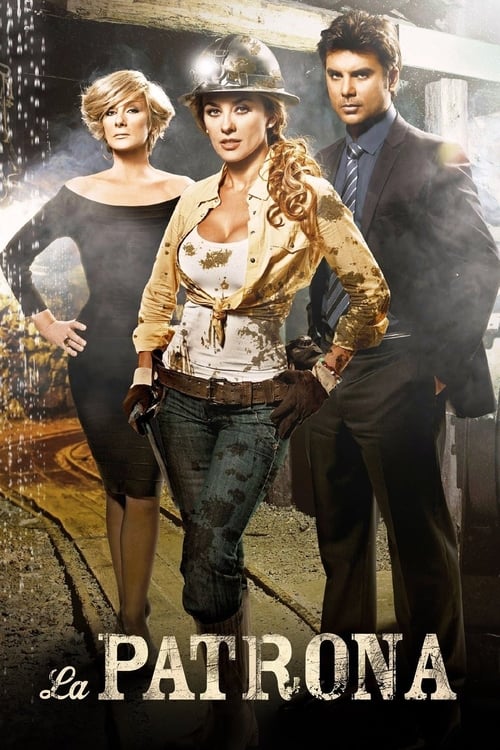
La Patrona is a Spanish-language telenovela produced by United States-based television network Telemundo Studios, Miami and Mexican Argos Comunicación. The telenovela is a remake of the Venezuelan telenovela La Dueña, written by José Ignacio Cabrujas. The name reflects a local term or slang in Mexico to address a person recognized as the main boss. However, the title is also a reflection of both the protagonist and the antagonist struggle to conquer power, authority and respect in a labor field traditionally deemed to be a man's job.
Open details →

1997
Mi Pequeña Traviesa is a Mexican youth and family telenovela produced and directed by Pedro Damián for Televisa and originally broadcast on Canal de las Estrellas from December 8, 1997, to April 24, 1998. It is an adaptation of the Argentine telenovela Me llaman Gorrión, created by Abel Santa Cruz. The telenovela stars Michelle Vieth and Héctor Soberón. The story follows Julia González, a young woman whose dreams of pursuing a professional career are interrupted after her father is left paralyzed in an accident. To support her family, she disguises herself as a boy in order to find work. Along the way, she falls in love with Alberto Miranda, and together they must overcome social differences, family conflicts, and the many obstacles that stand in the way of their happiness.
Open details →

2012
¡Válgame Dios! is a Spanish-language Venezuelan telenovela written by Mónica Montañéz for Venevisión. Sabrina Seara and Eduardo Orozco star as the main protagonists while Ricardo Alamo, Carlota Sosa and Raquel Yanez star as the main antagonists.
Open details →

2014
Two very different families live in the village of Santa Lucía who are involved in a whirlwind of passion, pain, and revenge. The rivaling families are the Mendozas and the Alcocers. Severiano Mendoza and Candela Santana are a rich and powerful marriage who live at the ranch, "Las Ánimas", along with their young son, Cristóbal. Roberta and Raymundo Alcocer also have a daughter named Alonza; however, they do not live with the same luxuries as the Mendoza family, which causes frustration and resentment in Roberta as nothing is enough to fill the inferiority complex that follows her like a shadow.
Open details →

2009
Paulino Córdoba, Gabino Roura, Rodolfo Huerta, and Matías Quiroga have been friends since childhood; however, as adults, their priorities shifted, and a sin now threatens to destroy their friendship. Paulino owns the El Milagro apple hacienda and is married to Rosario; they have two children, César and Lucrecia. Rosario has always favored her son while openly rejecting her daughter. Lucrecia was raised by Delfina, Rosario’s maid and Manuel’s mother.
Open details →
2014
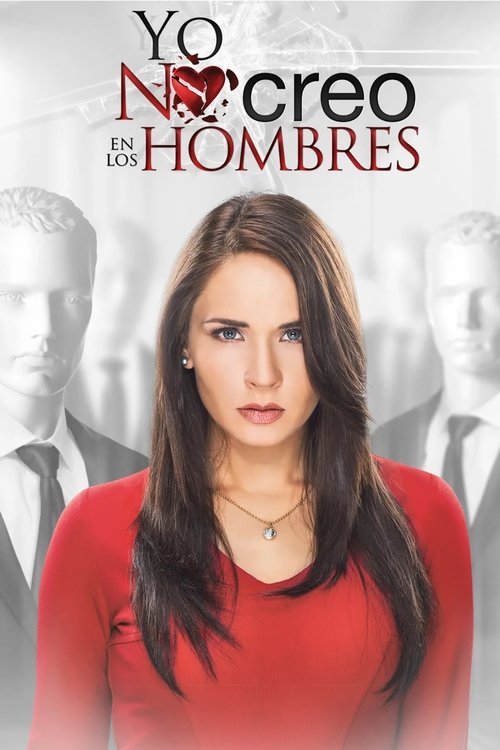
Yo no creo en los hombres (I don't trust men anymore) is a Mexican telenovela produced by Giselle González for Televisa. It is based on Yo no creo en los hombres (1991), produced in México.
Open details →
2006
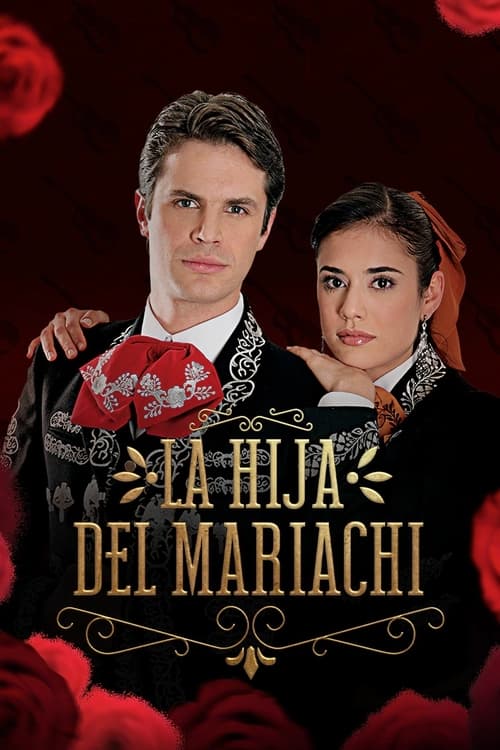
Emiliano, a wealthy Mexican businessman, is ripped off by his friends and partners. Hidden in Bogotá, he receives help from Rosario, a mariachi singer. She does not know Emiliano’s background and that he is wanted by the police of two countries and by a criminal organization. With a new name and personality, he adapts well to his new life as a mariachi band member and finds in Rosario the love of his life. But he is afraid his secret will tear them apart. He needs to clear his name and resolve his case to avoid that fate. Meanwhile, he often finds his love tested and vulnerable to several rivals, but Rosario always trusts that he has been honest with her.
Open details →
1987
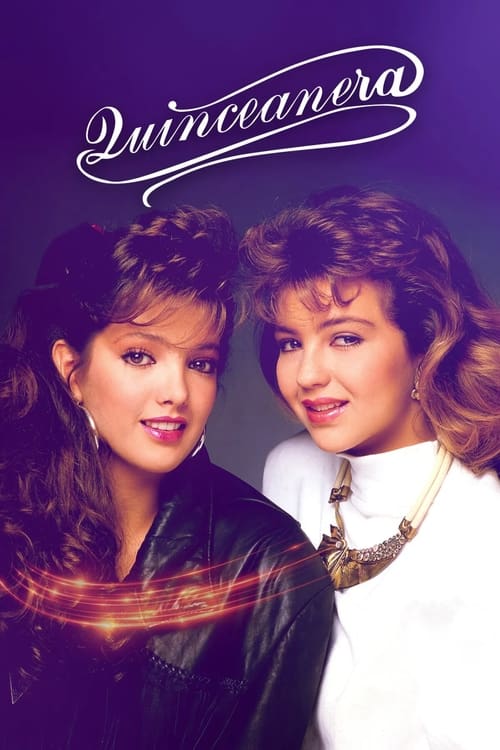
Maricruz and Beatriz are school friends; Beatriz comes from a well-to-do family, whereas Maricruz belongs to a lower socioeconomic stratum. Both are on the verge of turning fifteen and are preparing to leave childhood behind. Issues within their family and social environments affect them directly; for Beatriz, her parents' marital breakdown becomes the primary obstacle to overcome, compounded by a sexual awakening fraught with taboos and misinformation. Meanwhile, Maricruz must contend with her mother's overprotectiveness and prejudices, as well as the tension caused by a neighbor who is obsessed with her.
Open details →
2007
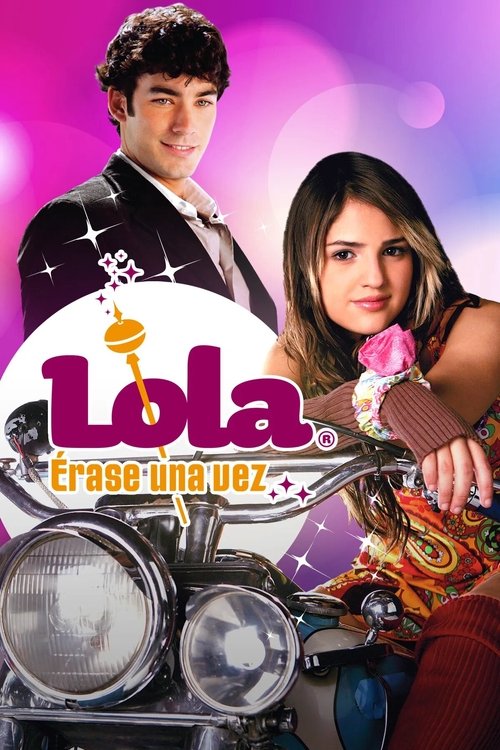
Lola... Érase Una Vez is a teen targeted Mexican melodrama telenovela produced by Televisa that is an adaptation of the Argentine global phenomenon and teenage telenovela Floricienta. The show tells the story of a modern Cinderella, Lola, a 20 year old girl, who works as a nanny and sings in a rock band and meets her so call Prince Charming. It debuted in Mexico on February 26, 2007, starring Aarón Díaz and Eiza González. The show had gained popularity among teens and children not only in Mexico but also internationally including Venezuela, Spain and the in United States. With concert performances filling major auditoriums and songs by the protagonist become radio hits. It debuted in the United States on Univision in March 2008 and ended on January 26, 2009. The series consisted of 224 episodes which aried Monday through Friday at 3 P.M, intentionally for teenagers to watch after school, as is typical for most teenage & children telenovelas in Spanish networks.
Open details →

2005
La Tormenta is a Colombian 2005 telenovela produced by RTI Colombia and broadcast by Telemundo and Caracol TV, starring Natalia Streignard and Christian Meier. Maria Teresa is a woman accustomed to living in the city, but she has to move to live at ‘La Tormenta’, her family’s estate, to try to save her family from financial ruin. The family is facing economic problems and she thinks La Tormenta will save them from bankruptcy.
Open details →

2014
La Impostora, is a Spanish-language telenovela presumably to be produced by United States-based television network Telemundo Studios, Miami.
Open details →

1998
Juan de la Cruz, a young seminarian, visits the home of his mother, Ana Joaquina—a religious zealot who has always imposed her will on her son and instilled in him a calling to serve God. Working in Ana Joaquina’s household is Luciana, an innocent, dreamy young woman who falls in love with Juan de la Cruz. One night, swept up in the passion of youth, they give in to their feelings with tenderness and innocence. Upon discovering this, Ana Joaquina throws Luciana out; by then, Luciana is already pregnant with Juan de la Cruz’s child. When the time comes to give birth, she leaves her daughter at a stranger's doorstep, hoping the child will be raised there, but the baby is instead taken to an orphanage. To survive, Luciana becomes involved with a series of unsavory men—including Pedro Trujillo, a brutal man who beats and abuses her.
Open details →

1999
Nunca te olvidaré is a Mexican telenovela produced by Juan Osorio for Televisa in 1999. It is based on a novel by Caridad Bravo Adams and starring Edith González, Fernando Colunga and antagonistic interests of Alma Muriel, Eugenia Cauduro and Humberto Elizondo.
Open details →

1999
Having to serve a sentence for a murder she did not commit but took the blame for, a woman gives her baby to her sister to be raised without knowing the truth. 20 years later she is freed and try to be once again part of her life. But things get complicated when the daugther, Rosalinda, and Fernando, the son of the man that was killed, become close.
Open details →
2004
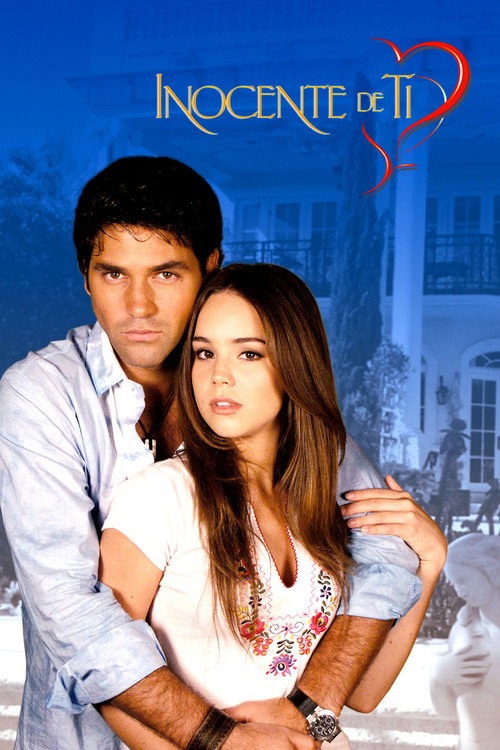
Inocente de Ti is a Miami-based 130 episode telenovela that first aired on the Univision network in 2005. It features Camila Sodi, Valentino Lanús, and Helena Rojo.
Open details →

2013
The beautiful young Montserrat is forced to marry a man she does not love in order to save her family from ruin and maintain their social standing.
Open details →
2008
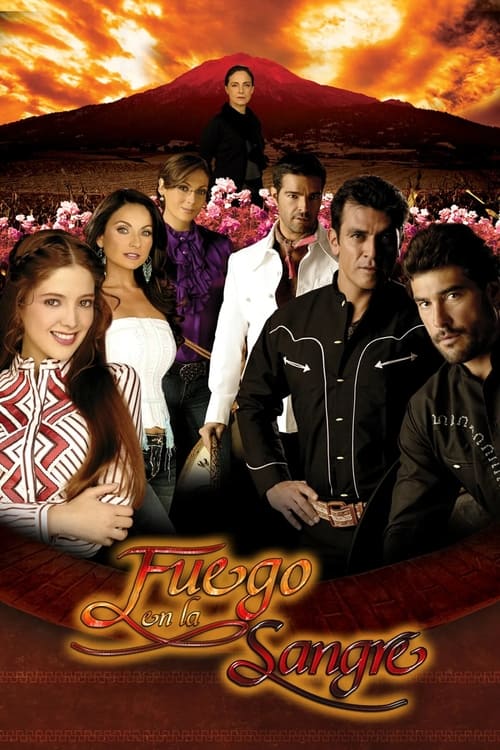
Fuego en la sangre is a telenovela that began transmissions on January 21, 2008, through Mexico's Canal de las Estrellas network. Starring Adela Noriega, Eduardo Yáñez, Diana Bracho, and Guillermo García Cantú. It is the Mexican remake of the Colombian soap operas Las Aguas Mansas and Pasion de Gavilanes. The theme song called "Para Siempre" is sung by Vicente Fernández. The telenovela received TVyNovelas Award for Best Telenovela, in 2009.
Open details →
2002
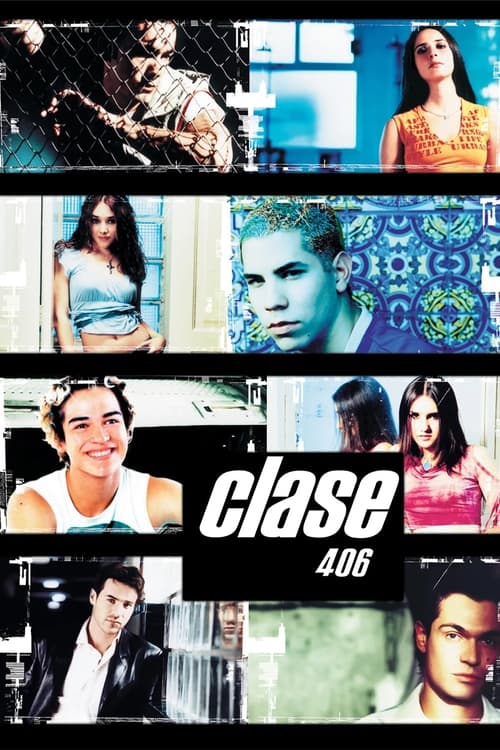
The realistic chronicles of a working class group of Hispanic youth, with heavy subject matter like sex, drug dealing, teen pregnancy, abuse, drinking, rape, deception, and heartbreak.
Open details →