



Series
★ 7.9
1992
Corazón salvaje
A telenovela that dramatizes the romances and rivalries between two brothers and two sisters in Mexico between the years 1885 and 1900.
Open details →


Mi Secreto is a Mexican telenovela produced by Carlos Moreno Laguillo for TelevisaUnivision and originally broadcast on Las Estrellas from September 12, 2022, to February 24, 2023. Based on the 1974 telenovela Ha llegado una intrusa, created by Marissa Garrido, it was adapted by Martha Carrillo and Cristina García and directed by Luis Eduardo Reyes and Nelinho Acosta. The telenovela stars Macarena García, Diego Klein, Isidora Vives, Andrés Baida, Karyme Lozano, Arturo Peniche, Claudia Ramírez, and Fernando Ciangherotti. The story follows Valeria, who assumes the identity of her friend Natalia after a tragic accident leaves her believing Natalia is dead. Hoping to escape a false accusation, Valeria starts a new life at the Moncada estate, where she falls in love with Mateo. As hidden secrets are revealed and Natalia unexpectedly returns, both women must face betrayal, family conflicts, and the consequences of deception.
Tap a face for their filmography
Tap a face for their filmography

Season 1
120 episodes · 2022
1992
A telenovela that dramatizes the romances and rivalries between two brothers and two sisters in Mexico between the years 1885 and 1900.
Open details →

2012
¡Válgame Dios! is a Spanish-language Venezuelan telenovela written by Mónica Montañéz for Venevisión. Sabrina Seara and Eduardo Orozco star as the main protagonists while Ricardo Alamo, Carlota Sosa and Raquel Yanez star as the main antagonists.
Open details →

2013
Mistreated by the Narváez family, the poor and innocent Maricruz is humiliated, abandoned, and imprisoned, losing everything. Upon discovering her true origins, she transforms into a wealthy and powerful woman. Driven by grief and the loss of her father, she vows revenge against everyone who made her suffer.
Open details →

1979
Popular telenovela produced in Mexico in 1979, starring Verónica Castro, Rogelio Guerra and Rocío Banquells. Castro also sang the theme Aprendí a Llorar, a song written by Lolita de la Colina. The telenovela was produced by Chilean Valentín Pimstein and Carlos Romero, it was directed by Rafael Banquells. The story was written by Inés Rodena and adapted by Valeria Philips.
Open details →

2014
The adventures of Vicenta Acero, the feared coyote who now leads the dynasty of illicit dealings once under the control of her father.
Open details →
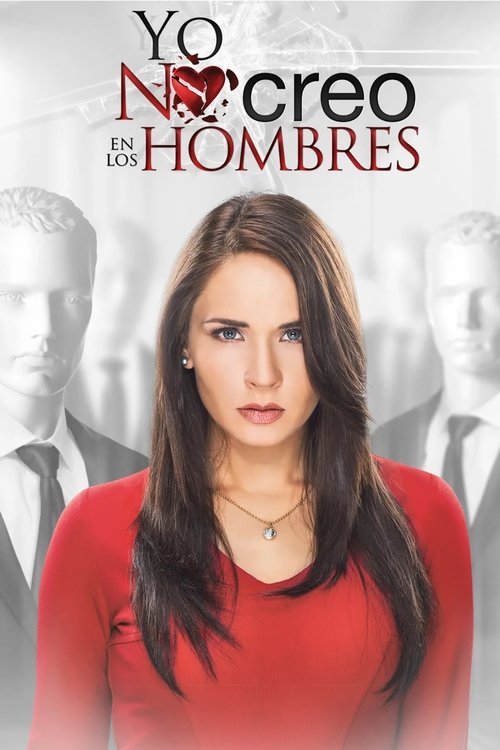
2014
Yo no creo en los hombres (I don't trust men anymore) is a Mexican telenovela produced by Giselle González for Televisa. It is based on Yo no creo en los hombres (1991), produced in México.
Open details →
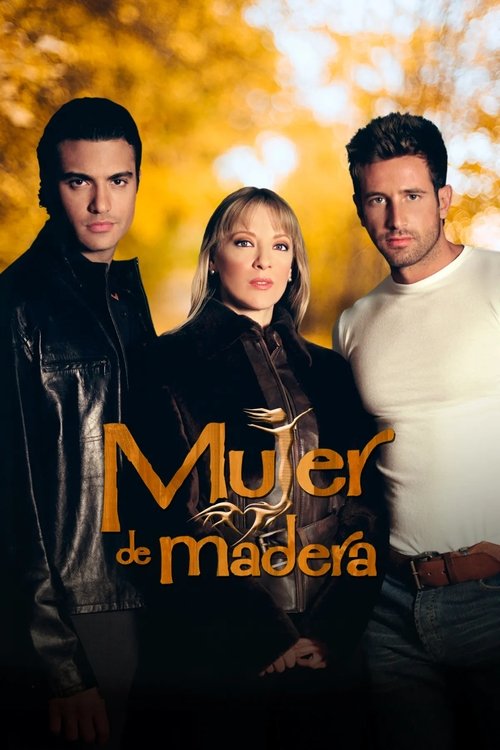
2004
Mujer de Madera is a Mexican telenovela produced by Televisa in 2004. One unusual feature of this telenovela is that the main character is played by different actresses before and after her stay in hospital due to a forest fire.
Open details →
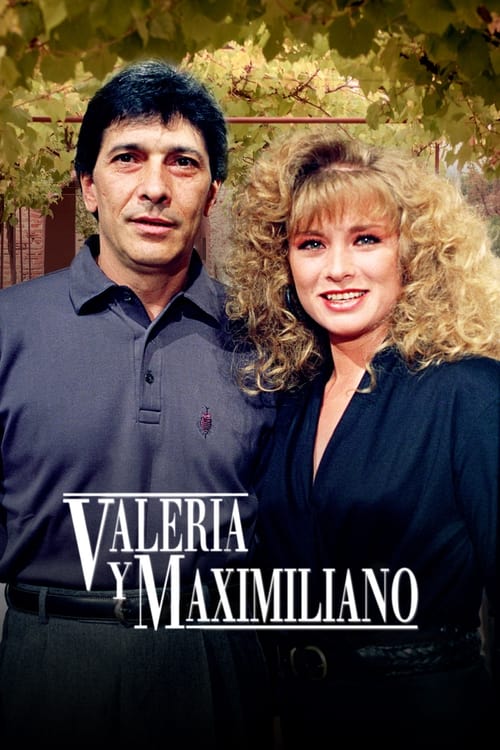
1991
Valeria y Maximiliano is a Mexican telenovela produced by Carlos Sotomayor for Televisa and originally broadcast on Canal de las Estrellas from December 23, 1991, to May 1, 1992. Created by Nora Alemán, the telenovela stars Leticia Calderón and Juan Ferrara. The story follows Valeria Landero, a beautiful, wealthy, and strong-willed young woman whose pride and impulsive nature bring conflict to her family. After rejecting the obsessive Román de la Fuente, she becomes the target of his revenge, which threatens to destroy everything she loves. Throughout her struggles, Maximiliano Riva remains by her side, and together they must overcome betrayal, ambition, and family intrigue before finding true love.
Open details →

1994
Story of love between Marimar and Sergio. Sergio is from a wealthy family, and Marimar lives with her poor grandparents in a hut in front of the ocean.
Open details →

2009
Paulino Córdoba, Gabino Roura, Rodolfo Huerta, and Matías Quiroga have been friends since childhood; however, as adults, their priorities shifted, and a sin now threatens to destroy their friendship. Paulino owns the El Milagro apple hacienda and is married to Rosario; they have two children, César and Lucrecia. Rosario has always favored her son while openly rejecting her daughter. Lucrecia was raised by Delfina, Rosario’s maid and Manuel’s mother.
Open details →

2009
Danna Paola stars as Patito, Eleazar Gómez as Mateo, Violeta Isfel and Cynthia Klitbo, play antagonist roles as Antonella and Bianca. The telenovela features adult protagonists also, René Strickler and Vanessa Guzmán. It first aired on Sunday, 8 March 2009, as the first telenovela to debut on a Sunday in Mexico. After a year of success, becoming a major hit in Mexico, especially among children, its final episode was also on a Sunday, 7 March 2010.
Open details →

2026
Sofía Peralta-Avitia Villaseñor, a successful businesswoman and great mother, who feels lonely in her marriage to Gonzalo Balmori-Ricci Nava. At the same time, her daughter, Bárbara Balmori-Ricci Peralta-Avitia, and her young bodyguard, Salvador "Chava" Reyes Encino, will transform their rebelliousness into passion. But none of them know that the evil, ambitious people around them will try to meddle in their paths on their road to love.
Open details →

1998
Soñadoras is a Mexican telenovela. It was produced by and broadcast on Televisa in 1998, and shown in 1999 on Univision.
Open details →

1996
Esmeralda is a telenovela that was released by Televisa in 1997. It is a remake of a 1970 Venezuelan telenovela of that same name, and was itself remade in Brazil in 2004. Another version is Topacio from Venezuela in 1984. One of the most famous telenovela all the time.
Open details →
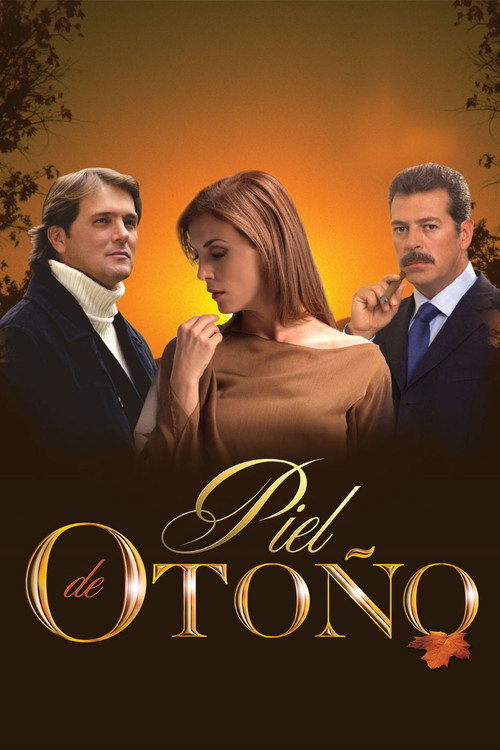
2005
Piel de otoño is a Mexican telenovela that was produced by Televisa and broadcast on El Canal de las Estrellas in Mexico from 9 May 2005 through 23 September 2005 in Mexico, and from October 10, 2005, through February 17, 2005, in the United States. Starring Laura Flores and René Strickler as the series' protagonists, the show tells the story of Lucía Villarreal de Mendoza, a woman who seeks refuge from her husband and children's abuses in the friendship of a stranger on the Internet, who signs his messages only as "wind". Piel de otoño is a remake of the 1986 Televisa telenovela Cicatrices del alma. The program aired weekdays at 5 pm for twenty weeks.
Open details →
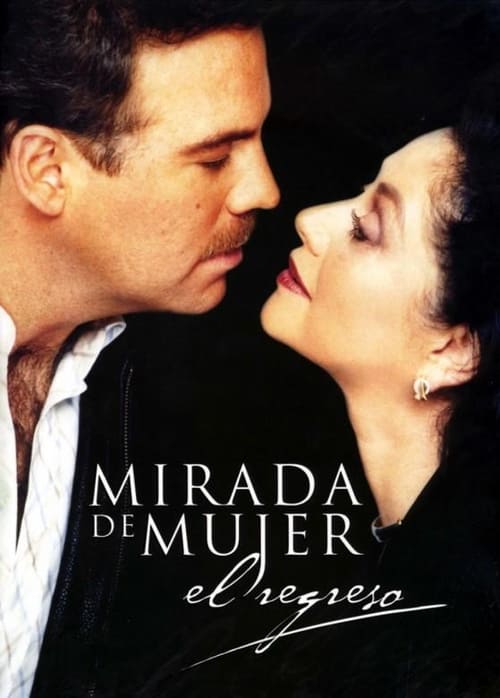
2003
Mirada de mujer: El regreso is a Mexican telenovela, which was produced by and broadcast on TV Azteca in 2003. It is the sequel of Mirada de Mujer.
Open details →

2011
Dos Hogares is a Mexican telenovela produced by Emilio Larrosa for Televisa. Anahí, Carlos Ponce, Sergio Goyri, Alfredo Adame, Laura León, Jorge Ortiz de Pinedo, Joana Benedek, Víctor Noriega, Claudia Álvarez, Abraham Ramos, Malillany Marín and Olivia Collins in the leading roles. Canal de las Estrellas aired Dos Hogares from June 27, 2011 to January 20, 2012, with Abismo de Pasión replacing it. From October 31, 2011 to May 29, 2012., Univision broadcast Dos Hogares at 3pm central, replacing one hour of Ni Contigo Ni Sin Ti.
Open details →

2010
Teresa Chavez is a young woman with an obsession for money and ambition. Despite her beauty and the fact that she was raised in the bosom of a loving family, she is resentful; her one desire is to leave her humble but poor neighbourhood.
Open details →
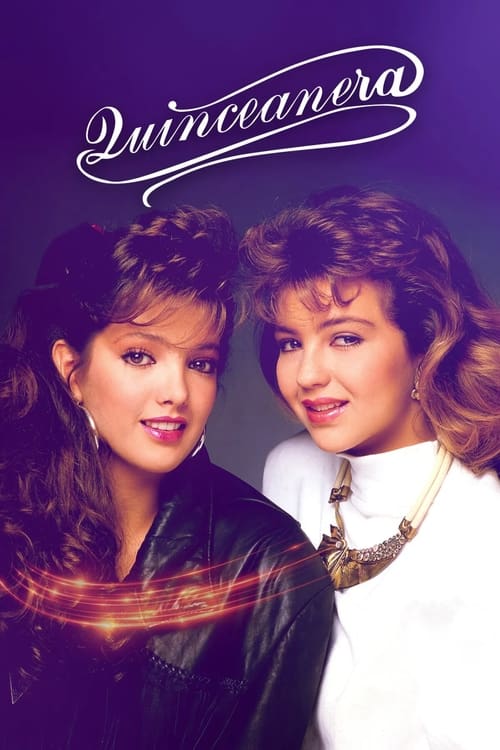
1987
Maricruz and Beatriz are school friends; Beatriz comes from a well-to-do family, whereas Maricruz belongs to a lower socioeconomic stratum. Both are on the verge of turning fifteen and are preparing to leave childhood behind. Issues within their family and social environments affect them directly; for Beatriz, her parents' marital breakdown becomes the primary obstacle to overcome, compounded by a sexual awakening fraught with taboos and misinformation. Meanwhile, Maricruz must contend with her mother's overprotectiveness and prejudices, as well as the tension caused by a neighbor who is obsessed with her.
Open details →

1999
Nunca te olvidaré is a Mexican telenovela produced by Juan Osorio for Televisa in 1999. It is based on a novel by Caridad Bravo Adams and starring Edith González, Fernando Colunga and antagonistic interests of Alma Muriel, Eugenia Cauduro and Humberto Elizondo.
Open details →