

Series
★ 8.0
1990
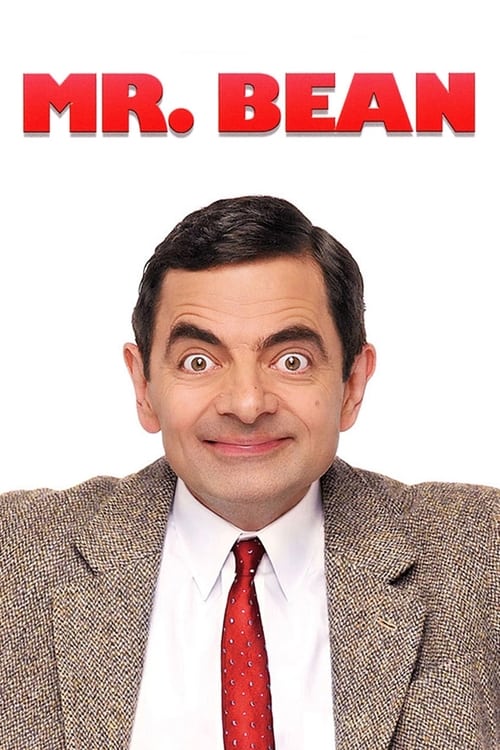
Mr. Bean
Mr Bean turns simple everyday tasks into chaotic situations and will leave you in stitches as he creates havoc wherever he goes.
Open details →
"Intriguing, engaging, mystifying," those are words that describe Stripey. "Hilarious," that's another one. In an era of action-packed pilots and dynamic at-home effects, only Falconer & Tam could make a show about a bunch of guys sitting on a couch so entertaining. But with its second episode, Stripey walked out of all of our lives forever.
Tap a face for their filmography
Season 1
2 episodes · 2006
1990
Mr Bean turns simple everyday tasks into chaotic situations and will leave you in stitches as he creates havoc wherever he goes.
Open details →

2022
Bumbling dad Trevor tries to get the best of a cunning bee while house-sitting a posh mansion — but only unleashes more chaos in this comedy series.
Open details →
2003
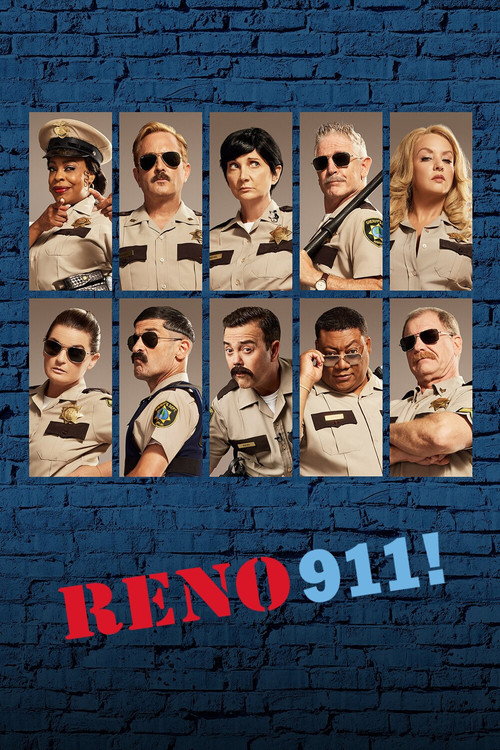
This partially unscripted comedy brings viewers into the squad car as incompetent officers swing into action, answering 911 calls about everything from speeding violations and prostitution to staking out a drug den. Within each episode, viewers catch a "fly on the wall" glimpse of the cops' often politically incorrect opinions, ranging from their personal feelings to professional critiques of their colleagues.
Open details →
1962
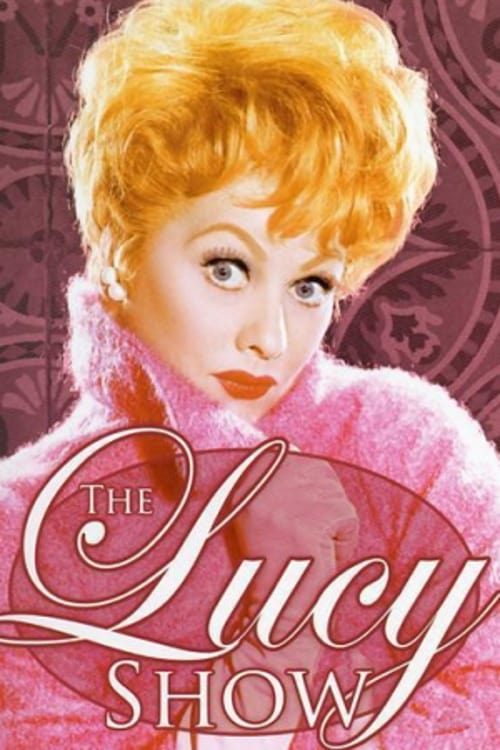
The Lucy Show is an American sitcom that aired on CBS from 1962–68. It was Lucille Ball's follow-up to I Love Lucy. A significant change in cast and premise for the 1965–66 season divides the program into two distinct eras; aside from Ball, only Gale Gordon, who joined the program for its second season, remained. For the first three seasons, Vivian Vance was the co-star. The earliest scripts were entitled The Lucille Ball Show, but when this title was declined, producers thought of calling the show This Is Lucy or The New Adventures of Lucy, before deciding on the title The Lucy Show. Ball won consecutive Emmy Awards as Outstanding Lead Actress in a Comedy Series for the series' final two seasons, 1966–67 and 1967–68.
Open details →
2024
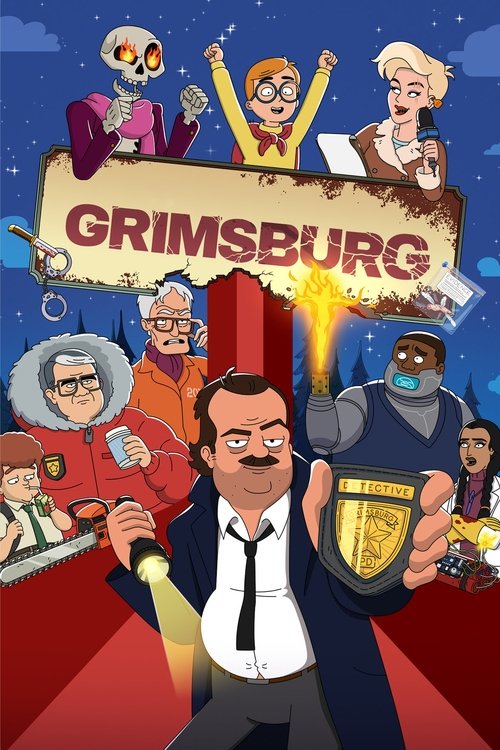
Marvin Flute may be the greatest detective ever to catch a cannibal clown or correctly identify a mid-century modern armoire. But there’s one mystery he still can’t crack — his family. Now that he's back in Grimsburg, a town where everyone has a secret or three, Flute will follow every lead he’s got to redeem himself with the ex-wife he never stopped loving, even if it means hanging out with the son he never bothered to get to know.
Open details →
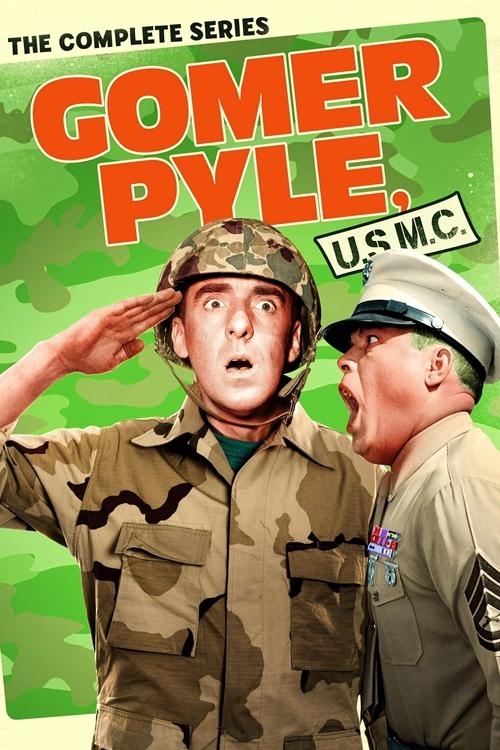
1964
Gomer Pyle, U.S.M.C. is an American situation comedy that originally aired on CBS from September 25, 1964, to May 2, 1969. The series was a spinoff of The Andy Griffith Show, and the pilot was aired as the finale of the fourth season of The Andy Griffith Show on May 18, 1964. The show ran for five seasons and a total of 150 episodes. In 2006, CBS Home Entertainment began releasing the series on DVD. The final season was released in November 2008. The series was created by Aaron Ruben, who also produced the show with Sheldon Leonard and Ronald Jacobs. Filmed and set in California, it stars Jim Nabors as Gomer Pyle, a naive but good-natured gas-station attendant from the town of Mayberry, North Carolina, who enlists in the United States Marine Corps. Frank Sutton plays Gomer's high-octane, short-fused Gunnery Sergeant Vince Carter, and Ronnie Schell plays Gomer's friend Gilbert "Duke" Slater. Allan Melvin played in the recurring role of Gunnery Sergeant Carter's rival, Sergeant Charley Hacker. The series never discussed nor addressed the then-current Vietnam War, instead focusing on the relationship between Gomer and Sergeant Carter. The show retained high ratings throughout its run.
Open details →

2013
Two talented chefs go head-to-head for the chance to Beat Bobby Flay. To get to Bobby the chefs must first face off against each other, creating a spectacular dish with a secret ingredient of Bobby's choice. Judges Alex Guarnaschelli and Jeff Mauro know Bobby's strengths and his weaknesses. Their goal: Pick the chef who has the skills to take down Bobby Flay in his own arena. The winning chef gets to challenge Bobby with his or her surprise signature dish. If Bobby goes down, the winner can tell the world, "I beat Bobby Flay!"
Open details →
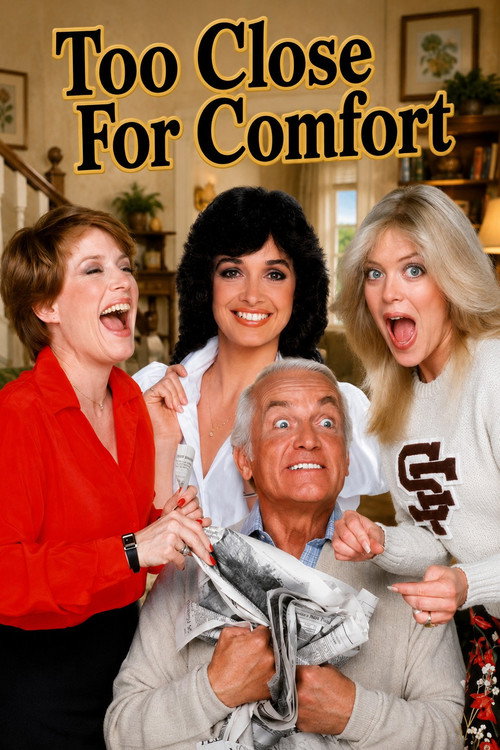
1980
Too Close for Comfort is an American television sitcom which ran on the ABC network from November 11, 1980 until May 5, 1983, and in first-run syndication from April 7, 1984 until September 27, 1986. It was modeled after the British series Keep It in the Family, which premiered nine months before Too Close for Comfort debuted in the U.S. Its name was changed to The Ted Knight Show when the show was retooled for its final season.
Open details →
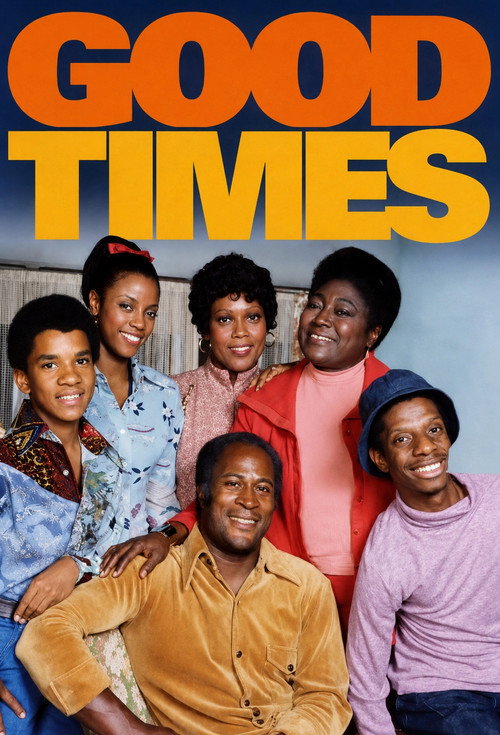
1974
Good Times is an American sitcom that originally aired from February 8, 1974, until August 1, 1979, on the CBS television network. It was created by Eric Monte and Mike Evans, and developed by Norman Lear, the series' primary executive producer. Good Times is a spin-off of Maude, which is itself a spin-off of All in the Family along with The Jeffersons. The series is set in Chicago. The first two seasons were taped at CBS Television City in Hollywood. In the fall of 1975, the show moved to Metromedia Square, where Norman Lear's own production company was housed.
Open details →
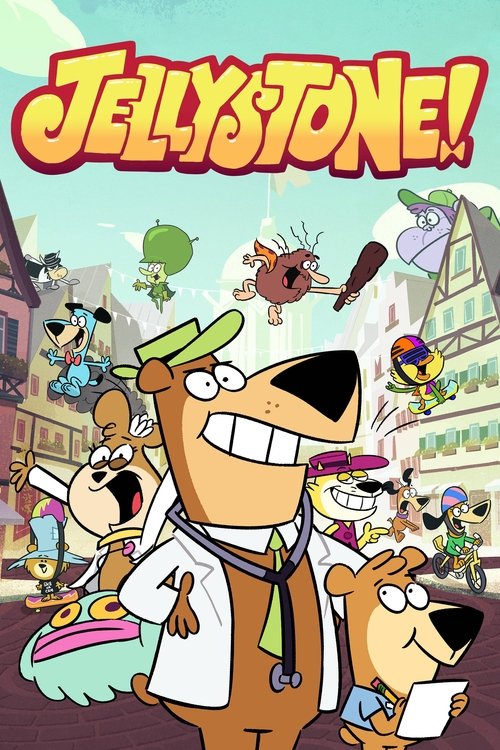
2021
Welcome to Jellystone! Travel to a magical town where you’ll meet new and old friends, including Yogi Bear, Cindy Bear, Boo Boo, and Huckleberry Hound…and Jabberjaw and Top Cat and Snagglepuss and El Kabong and Wally Gator and Johnny Quest and Hadji and Shag Rugg and Captain Caveman and a whole lot more.
Open details →
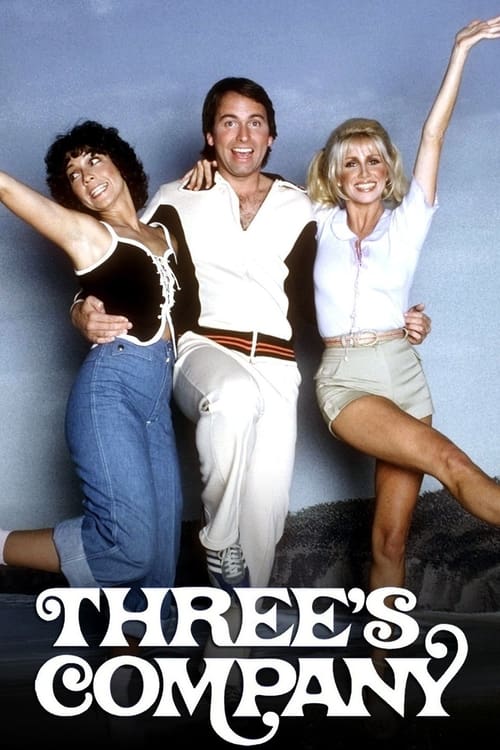
1977
When two single girls, Janet and Chrissy, need a roommate to share their Santa Monica apartment, they decide to offer a room to Jack, a man they find passed out in the bathtub after the going-away party for their last roommate. However, hijinks ensure when Jack must pretend to be gay in order to throw off the scent of the trio's conservative landlady.
Open details →
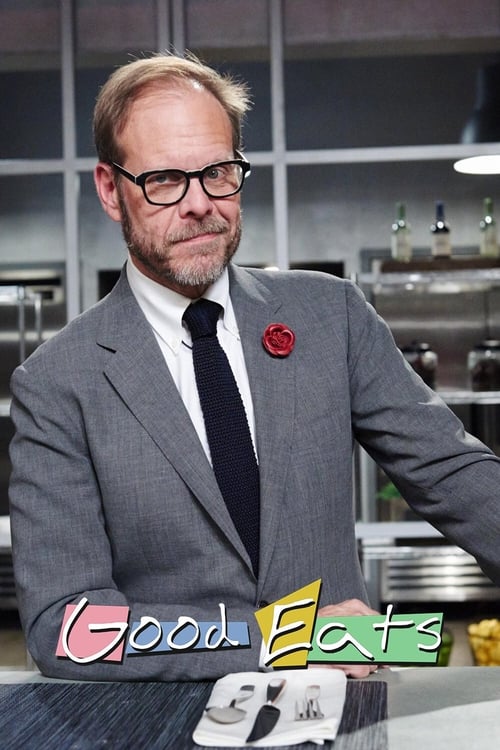
1999
Host Alton Brown explores the origins of ingredients, decodes culinary customs and presents food and equipment trends. Punctuated by unusual interludes, simple preparations and unconventional discussions, he'll bring you food in its finest and funniest form.
Open details →
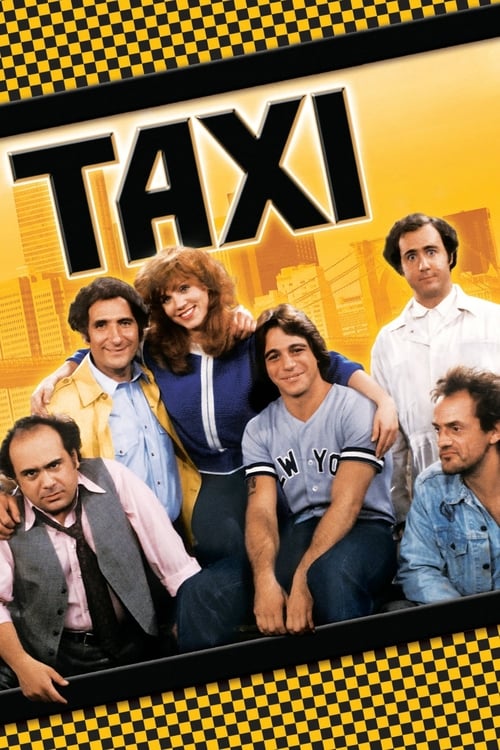
1978
Louie De Palma is a cantankerous, acerbic taxi dispatcher in New York City. He tries to maintain order over a collection of varied and strange characters who drive for him. As he bullies and insults them from the safety of his “cage,” they form a special bond among themselves, becoming friends and supporting each other through the inevitable trials and tribulations of life.
Open details →
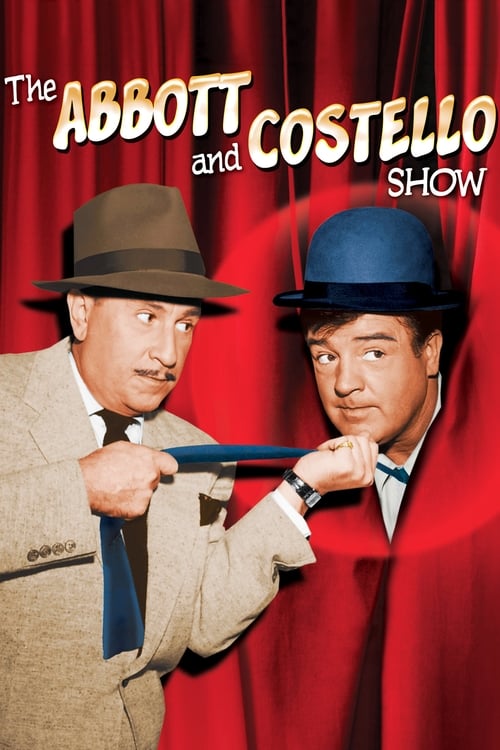
1952
Bud and Lou are unemployed actors living in Mr. Fields’ boarding house. Lou’s girlfriend Hillary lives across the hall. Many situations arise leading to slapstick and puns.
Open details →

2004
The world's first animated reality series gathers icons from all corners of the cartoon universe and lets them loose, with plenty of cameras to catch their exploits. Here's what happens when eight cartoon characters stop being polite and start getting real.
Open details →

1965
Get Smart is an American comedy television series that satirizes the secret agent genre. Created by Mel Brooks with Buck Henry, the show stars Don Adams, Barbara Feldon, and Edward Platt. Henry said they created the show by request of Daniel Melnick, who was a partner, along with Leonard Stern and David Susskind, of the show's production company, Talent Associates, to capitalize on "the two biggest things in the entertainment world today"—James Bond and Inspector Clouseau. Brooks said: "It's an insane combination of James Bond and Mel Brooks comedy." This is the only Mel Brooks production to feature a laugh track. The success of the show eventually spawned the follow-up films The Nude Bomb and Get Smart, Again!, as well as a 1995 revival series and a 2008 film remake. In 2010, TV Guide ranked Get Smart's opening title sequence at No. 2 on its list of TV's Top 10 Credits Sequences, as selected by readers.
Open details →
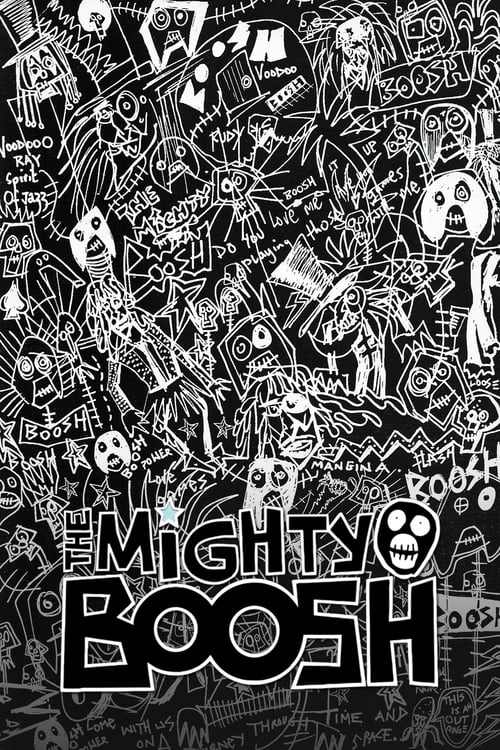
2004
A British comic fantasy containing humour and pop-culture references. Episodes often featured elaborate musical numbers in different genres, such as electro, heavy metal, funk, and rap. The show has been known for popularising a style called "crimping"; short acappella songs which are present throughout all three series.
Open details →
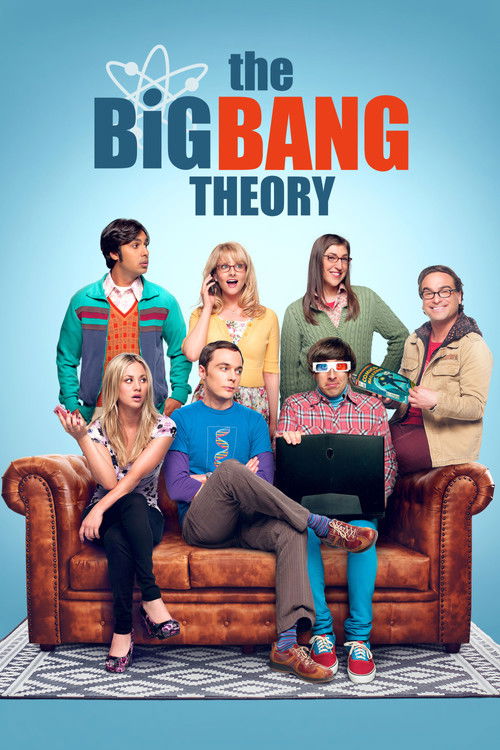
2007
Physicists Leonard and Sheldon find their nerd-centric social circle with pals Howard and Raj expanding when aspiring actress Penny moves in next door.
Open details →

1995
A crazy comedy about three rather strange parish priests exiled to Craggy Island, a remote island off the Irish west coast.
Open details →
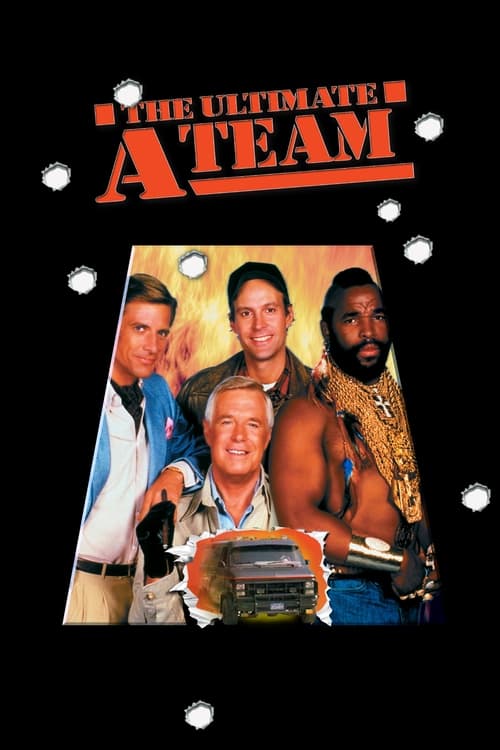
1983
A fictional group of ex-United States Army Special Forces personnel work as soldiers of fortune while on the run from the Army after being branded as war criminals for a "crime they didn't commit."
Open details →