


Series
★ 7.0
2003
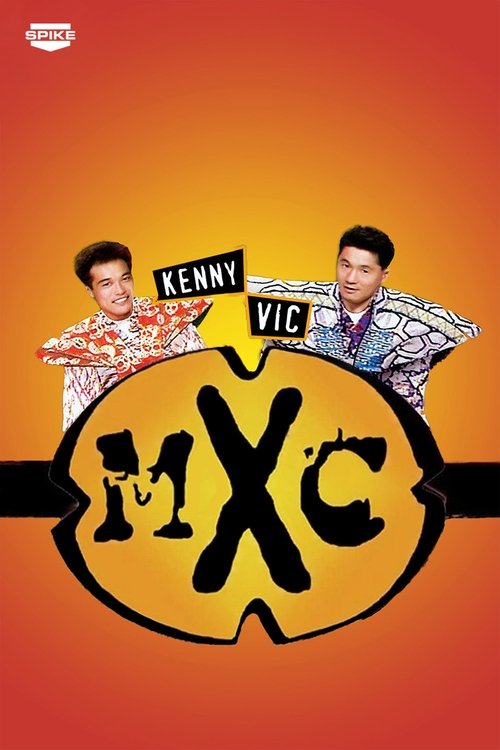
MXC
Footage from the popular game show, Takeshi's Castle has been re-edited, re-written and re-voiced into a hilarious, intentionally over-produced, modern "action/X-treme" sports show.
Open details →


Takeshi's Castle
Takeshi's Castle was a Japanese game show that aired between 1986 and 1990 on the Tokyo Broadcasting System. It featured the Japanese actor Takeshi Kitano as a count who owns a castle and sets up difficult challenges for players to get to him. Contestants throw themselves into daunting physical challenges as they attempt to storm Takeshi's Castle and win the grand prize of one million yen. The show has become a cult television hit around the world. A special live "revival" was broadcast on April 2, 2005, for TBS's 50th anniversary celebrations.
Tap a face for their filmography
Tap a face for their filmography

Season 1
40 episodes · 2002

Season 2
30 episodes · 2003

Season 3
30 episodes · 2004

Season 4
22 episodes · 2005
Season 5
0 episodes
2003
Footage from the popular game show, Takeshi's Castle has been re-edited, re-written and re-voiced into a hilarious, intentionally over-produced, modern "action/X-treme" sports show.
Open details →
2002
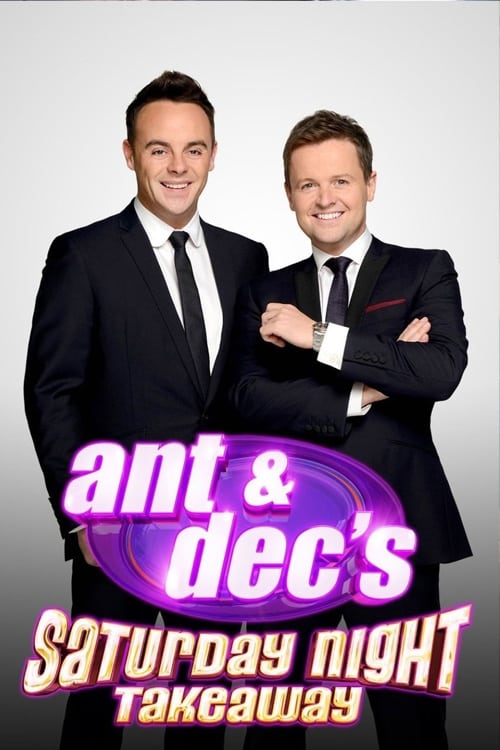
A gameshow hosted by Ant and Dec filled with stunts, sketches, and special guest appearances.
Open details →
2005
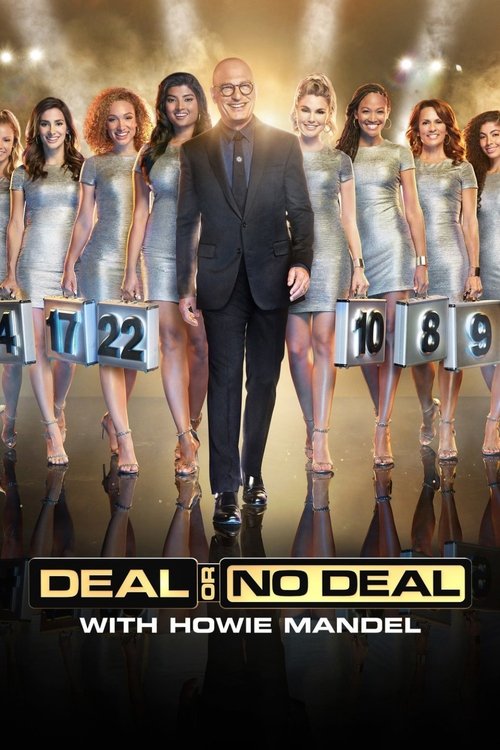
A contestant must choose from 26 sealed briefcases containing a marker for various amounts of cash from one penny to $1 million. The player then eliminates the remaining 25 cases one by one. The chosen ones are opened and the amount of money inside revealed. After several cases are opened, the player is tempted by the Banker to accept an offer of cash in exchange for not continuing the game and possibly winning a larger sum of money.
Open details →
1983
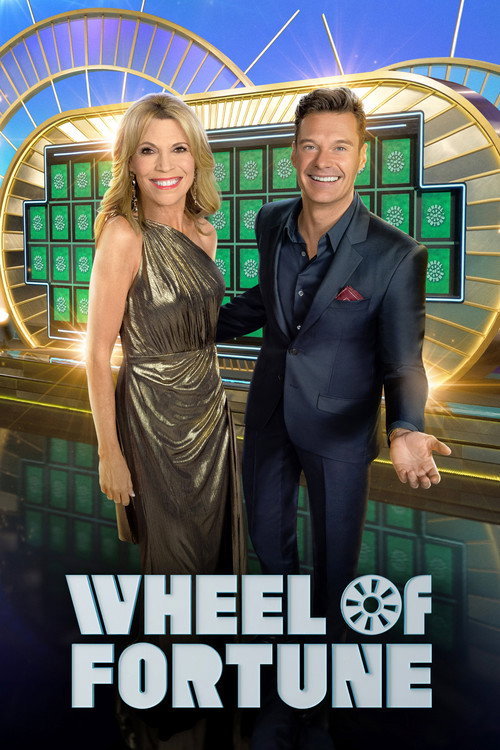
This game show sees contestants solve word puzzles, similar to those used in Hangman, to win cash and prizes determined by spinning a giant carnival wheel.
Open details →
1957
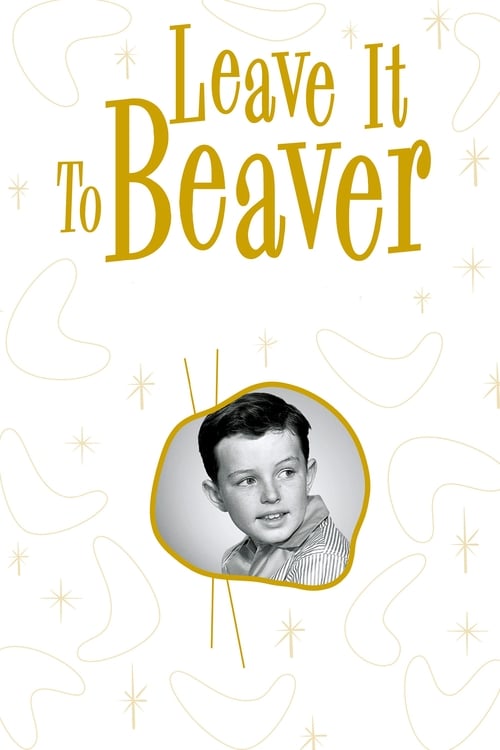
An inquisitive and often naïve boy, Theodore 'The Beaver' Cleaver, has adventures at home, in school, and around his suburban neighborhood. The show also starred Barbara Billingsley and Hugh Beaumont as Beaver's parents, June and Ward Cleaver, and Tony Dow as Beaver's brother Wally. The show has attained an iconic status in the US, with the Cleavers exemplifying the idealized suburban family of the mid-20th century.
Open details →
2015
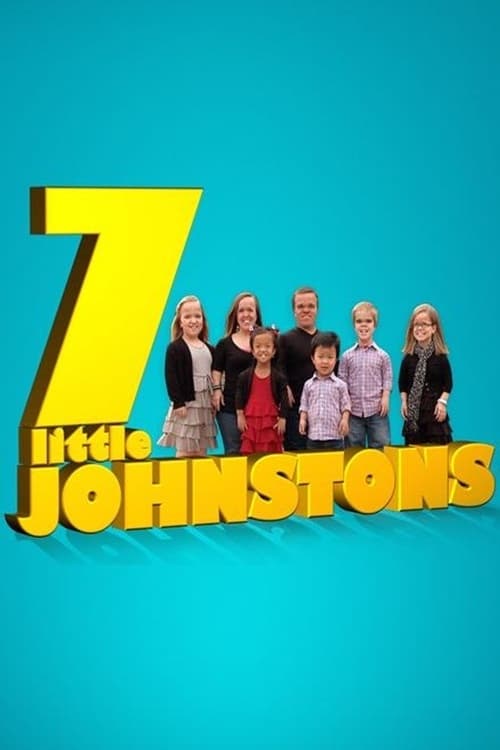
The Johnstons, a family of little people, juggle family and health issues on top of a home renovation.
Open details →

1984
America's favorite quiz show where contestants are presented with general knowledge clues in the form of answers, and must phrase their responses in question form.
Open details →
2014
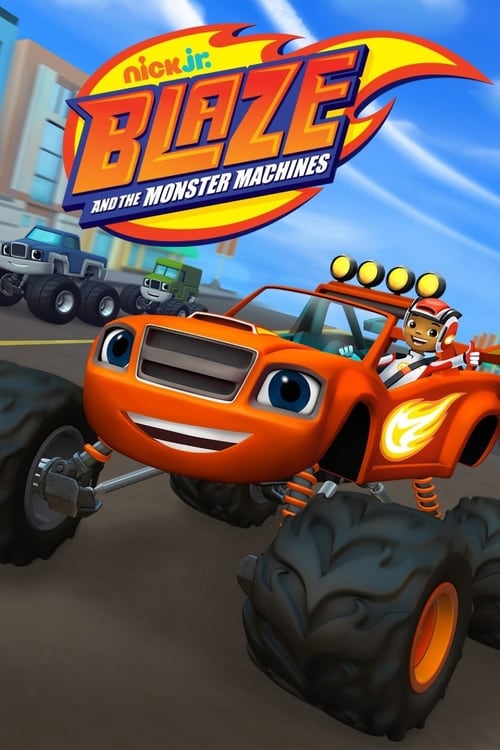
AJ is an 8-year-old techie who drives monster-truck Blaze, the top racer in Axle City. The two go on adventures that have them taking on problems involving science and math. Many predicaments they face are caused by Blaze's rival, Crusher, a tractor-trailer that will do anything to beat other vehicles to the finish line. The animated series is billed as the first TV show for preschoolers to comprehensively cover areas of science, technology, engineering and math. Each episode introduces different STEM concepts, including buoyancy and trajectory.
Open details →
1954
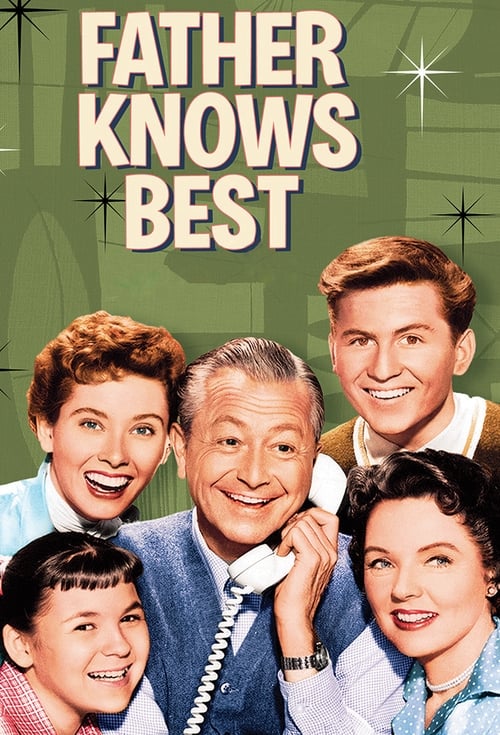
Family man Jim Anderson copes with the everyday problems among his wife Margaret and their three children as they experience day-to-day changes.
Open details →
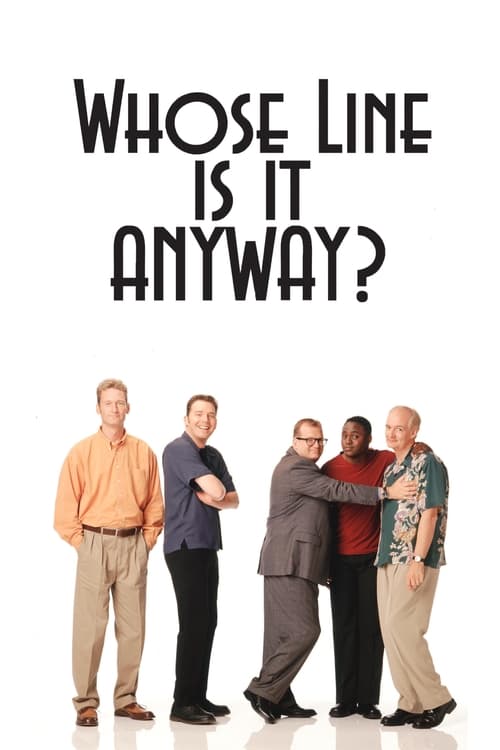
1998
The show where everything's made up and the points don't matter. Not a talk show, not a sitcom, not a game show, Whose Line Is It Anyway? is a completely unique concept to network television. Four talented actors perform completely unrehearsed skits and games in front of a studio audience. Host Drew Carey sets the scene, with contributions from the audience, but the actors rely completely on their quick wit and improvisational skills. It's genuinely improvised, so anything can happen - and often does.
Open details →
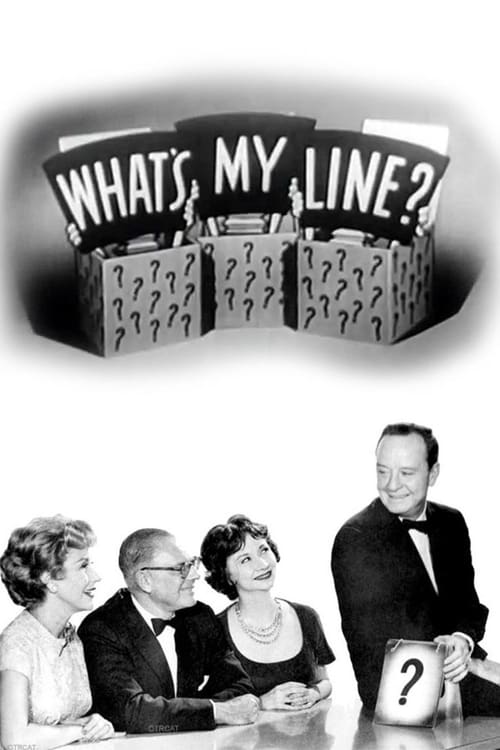
1950
Four panelists must determine guests' occupations - and, in the case of famous guests, while blindfolded, their identity - by asking only "yes" or "no" questions.
Open details →
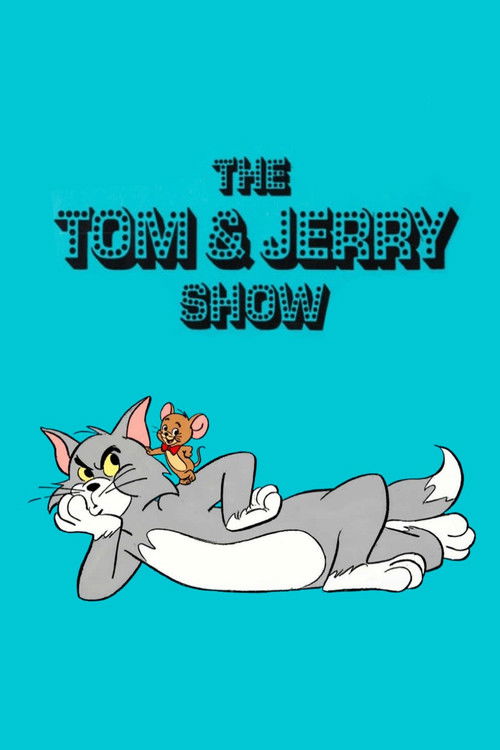
1975
The New Tom & Jerry Show is an animated television series produced for Saturday mornings by Hanna-Barbera Productions in association with Metro-Goldwyn-Mayer Television in 1975 for ABC based on the theatrical shorts and characters Tom and Jerry.
Open details →
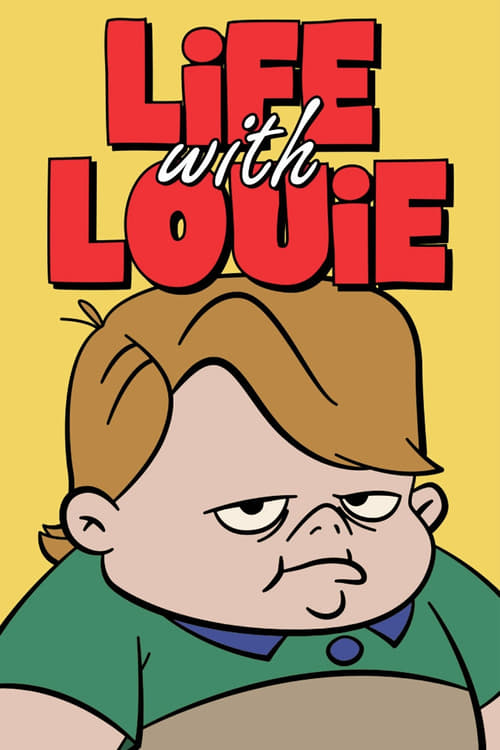
1994
The 8-year-old Louie is doing his best to grow up and cope with a large family, a doting mother, a pesky little brother, and a by-the-book, military veteran dad. Add to that a slew of holiday family squabbles, a flood, an old Rambler and a huge goldfish, and you have the background for Life with Louie. Each episode is a portrait of humor and warmth drawn from Louie Anderson's real-life experience as a child in the Midwest.
Open details →

2019
In this game show, the game changes every show! Players begin each round without knowing the rules -- and must figure them out while competing to win.
Open details →
1976
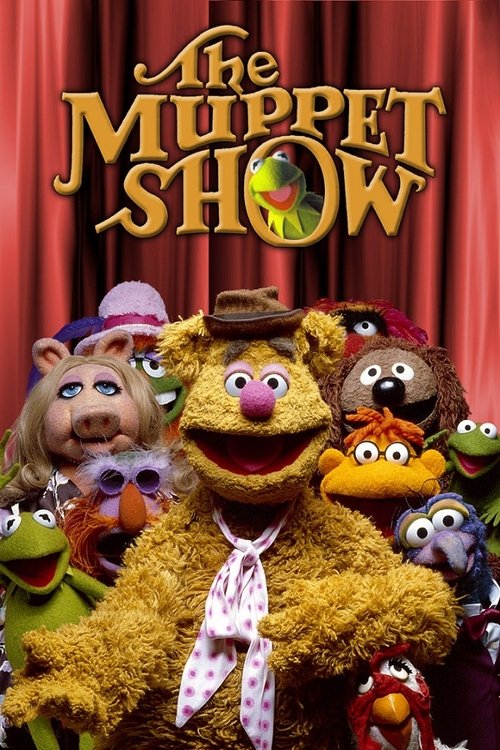
Go behind the curtains as Kermit the Frog and his muppet friends struggle to put on a weekly variety show.
Open details →
2022
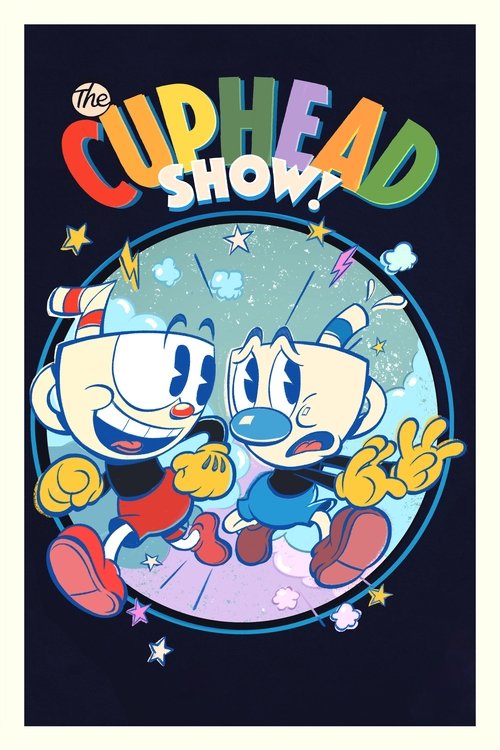
Follow the misadventures of the impulsive Cuphead and his cautious but persuadable brother Mugman in this animated series based on the hit video game.
Open details →
2008
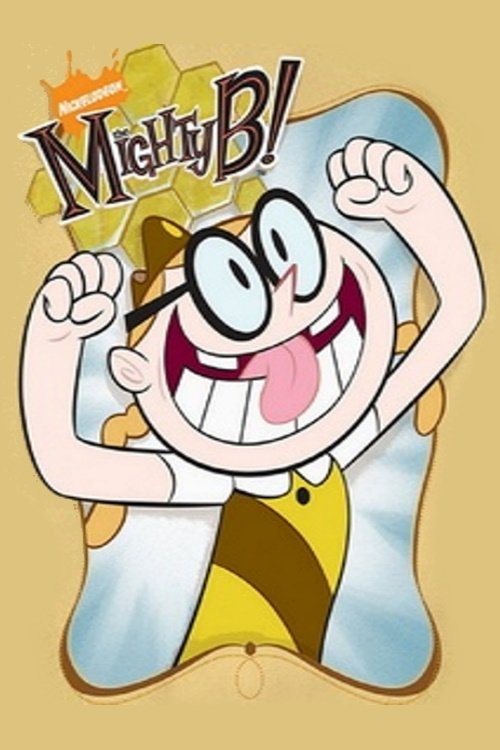
The Mighty B! is an American animated television series co-created by Amy Poehler, Cynthia True and Erik Wiese for Nickelodeon. The series centers on Bessie Higgenbottom, an ambitious Honeybee girl scout who believes she will become The Mighty B if she collects every Honeybee badge. Bessie lives in San Francisco with her single mother Hilary, brother Ben and dog Happy. Poehler provides the voice of Bessie, who is loosely based on a character Poehler played on the improvisational comedy troupes Second City and Upright Citizens Brigade.
Open details →
1990
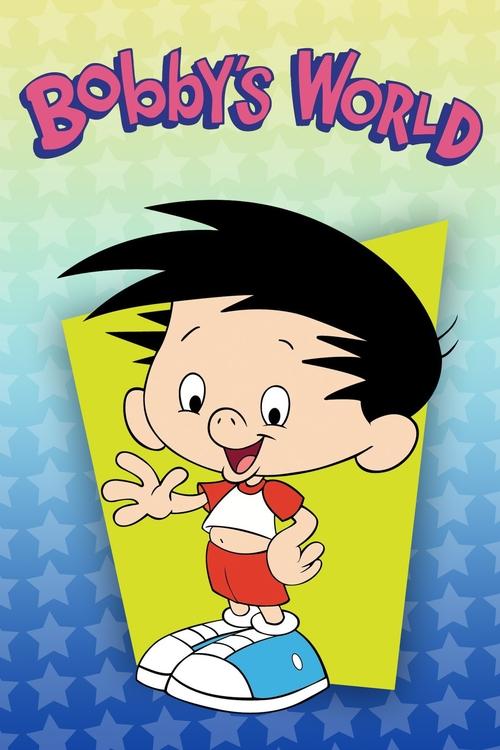
Bobby Generic lives in a typical suburban neighborhood and uses his overactive imagination to discover a world of daring adventure, incredible wonder and lots of laughs — all in pint-sized perspective.
Open details →
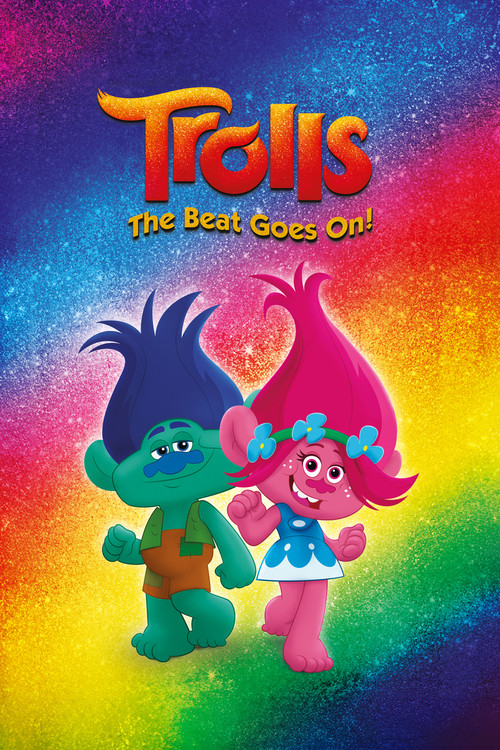
2018
Queen Poppy tries to keep Troll Village's peace with the Bergens by inviting them to parties, playing their sports and preventing crime.
Open details →
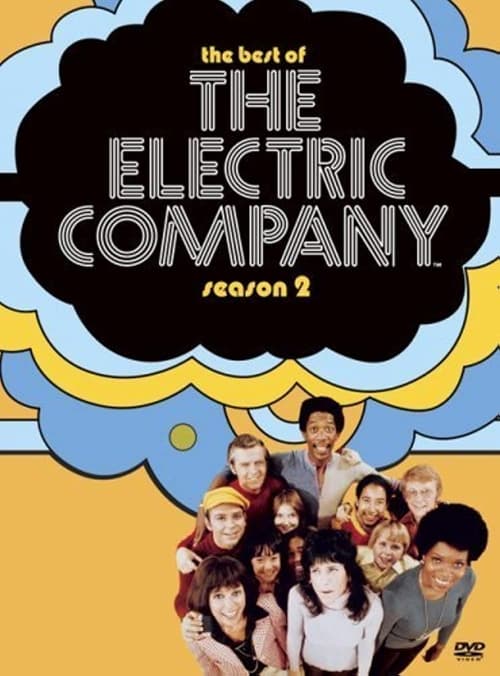
1971
The Electric Company is an educational American children's television series that was produced by the Children's Television Workshop for PBS in the United States. PBS broadcast 780 episodes over the course of its six seasons from October 25, 1971 to April 15, 1977. After it ceased production that year, the program continued in reruns from 1977 to 1985, the result of a decision made in 1975 to produce two final seasons for perpetual use. CTW produced the show at Teletape Studios Second Stage in Manhattan, the first home of Sesame Street. The Electric Company employed sketch comedy and other devices to provide an entertaining program to help elementary school children develop their grammar and reading skills. It was intended for children who had graduated from CTW's flagship program, Sesame Street. Appropriately, the humor was more mature than what was seen there.
Open details →