
Series
★ 7.6
1974
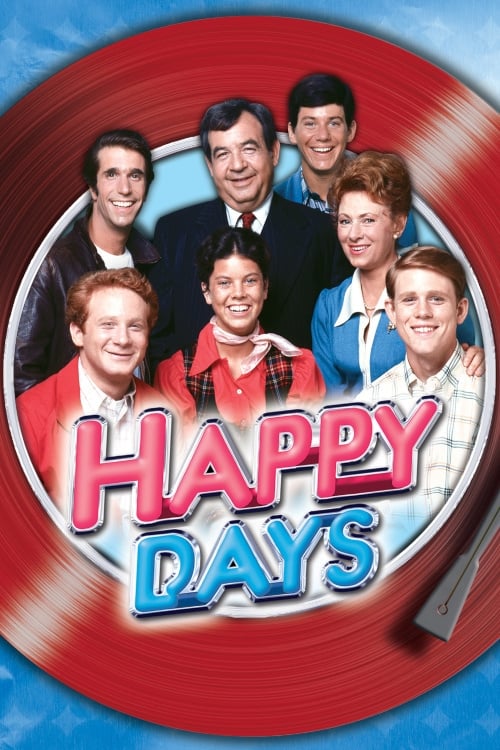
Happy Days
In 1950s Milwaukee the Cunningham family must contend with Fonzie, a motorcycle riding Casanova.
Open details →

Switch source if playback fails
The Herb Shriner Show was the title of two different American television series shown in prime time by CBS during the late 1940s and 1950s. A similar program, also hosted by Herb Shriner, was Herb Shriner Time, which was aired by ABC as part of its 1951-52 lineup. The first Herb Shriner Show was essentially a continuation of what Shriner had previously done on radio. It was aired by CBS five nights a week from 7:55 to 8:00 P.M. Eastern time and consisted solely of Shriner's folksy monologues, which had already earned him comparisons to Will Rogers. This program was seen only from November 1949 until February 1950. Herb Shriner Time was a half-hour format aired by ABC on Thursday nights at 9 PM Eastern from October 1951 to April 1952. In addition to the comedy monologues, this format provided time for guest stars, and also allowed for Shriner to play his harmonica and act in comedy sketches.
1974
In 1950s Milwaukee the Cunningham family must contend with Fonzie, a motorcycle riding Casanova.
Open details →
1967
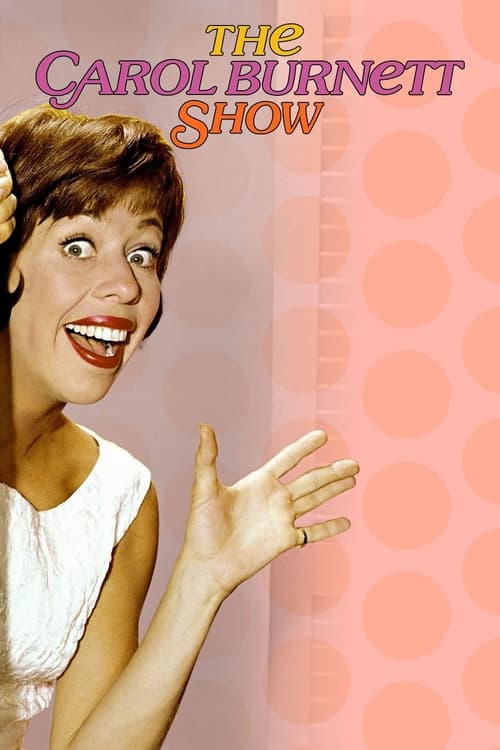
The Carol Burnett Show is an American variety/sketch comedy television show starring Carol Burnett, Harvey Korman, Vicki Lawrence, Lyle Waggoner, and Tim Conway. It originally ran on CBS from September 11, 1967, to March 29, 1978, for 278 episodes and originated from CBS Television City's Studio 33. The series won 25 prime time Emmy Awards, was ranked No. 16 on TV Guide's 50 Greatest TV Shows of All Time in 2002 and in 2007 was listed as one of Time magazine's "100 Best TV Shows of All Time."
Open details →
1976
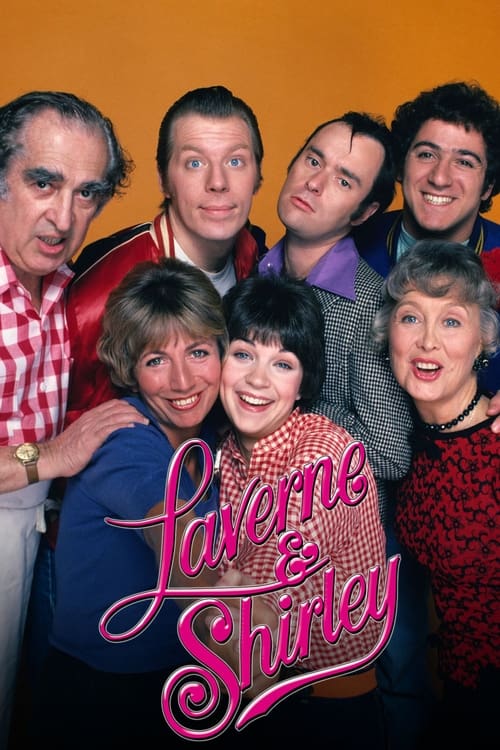
Best friends, roommates, and polar opposites, Laverne DeFazio and Shirley Feeney work together at the Shotz Brewery in Milwaukee and keep each other's spirits up at home.
Open details →
1999
The Man Show is an American comedy television show on Comedy Central. It was created in 1999 by its two original co-hosts, Jimmy Kimmel and Adam Carolla, and their executive producer Daniel Kellison.
Open details →
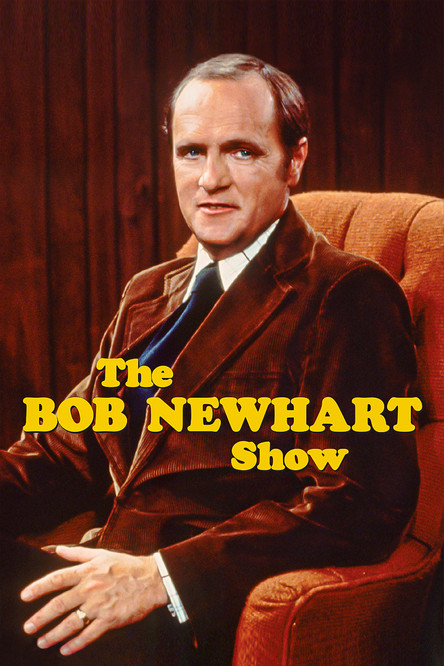
1972
The Bob Newhart Show is an American situation comedy produced by MTM Enterprises, which aired 142 original episodes on CBS from September 16, 1972, to April 1, 1978. Comedian Bob Newhart portrays a psychologist having to deal with his patients and fellow office workers. The show was filmed before a live audience.
Open details →
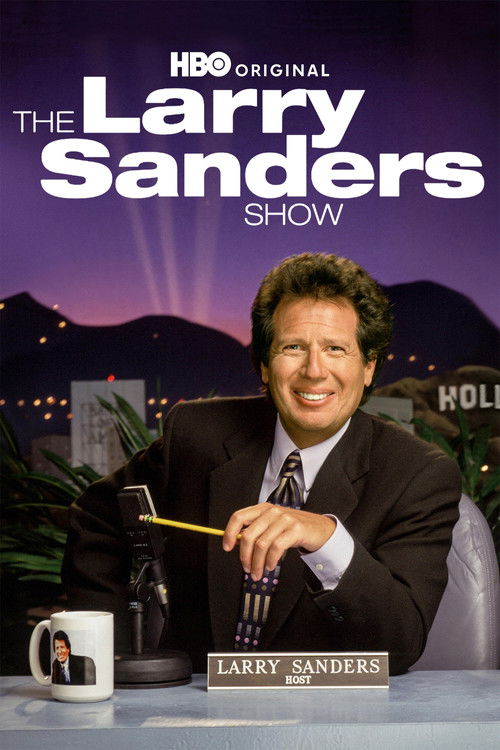
1992
Comic Garry Shandling draws upon his own talk show experiences to create the character of Larry Sanders, a paranoid, insecure host of a late night talk show. Larry, along with his obsequious TV sidekick Hank Kingsley and his fiercely protective producer Artie, allows Garry Shandling and his talented writers to look behind the scenes and to show us a convincing slice of behind the camera life.
Open details →
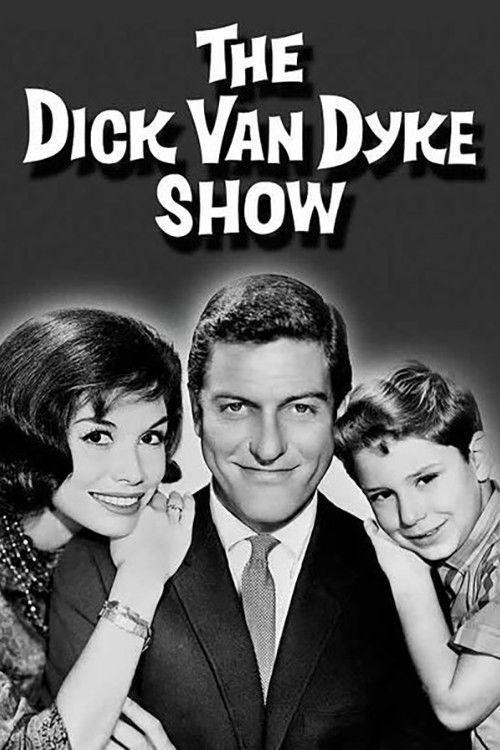
1961
The Dick Van Dyke Show centers around the work and home life of television comedy writer Rob Petrie. The plots generally revolve around problems at work, where Rob got into various comedic jams with fellow writers Buddy Sorrell, Sally Rogers and producer Mel Cooley.
Open details →
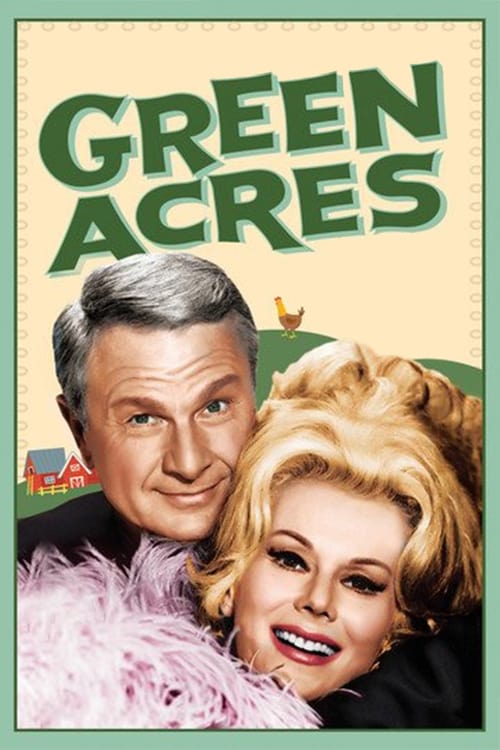
1965
Green Acres is an American sitcom starring Eddie Albert and Eva Gabor as a couple who move from New York City to a rural country farm. Produced by Filmways as a sister show to Petticoat Junction, the series was first broadcast on CBS, from September 15, 1965 to April 27, 1971. Receiving solid ratings during its six-year run, Green Acres was cancelled in 1971 as part of the "rural purge" by CBS. The sitcom has been in syndication and is available in DVD and VHS releases. In 1997, the two-part episode "A Star Named Arnold is Born" was ranked #59 on TV Guide's 100 Greatest Episodes of All Time.
Open details →
1971
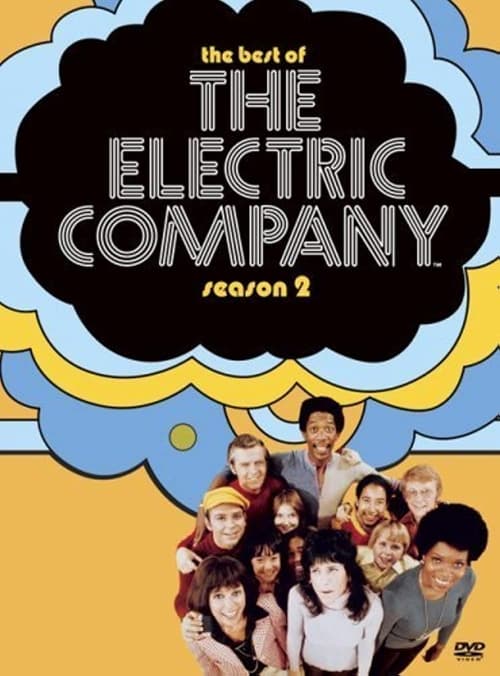
The Electric Company is an educational American children's television series that was produced by the Children's Television Workshop for PBS in the United States. PBS broadcast 780 episodes over the course of its six seasons from October 25, 1971 to April 15, 1977. After it ceased production that year, the program continued in reruns from 1977 to 1985, the result of a decision made in 1975 to produce two final seasons for perpetual use. CTW produced the show at Teletape Studios Second Stage in Manhattan, the first home of Sesame Street. The Electric Company employed sketch comedy and other devices to provide an entertaining program to help elementary school children develop their grammar and reading skills. It was intended for children who had graduated from CTW's flagship program, Sesame Street. Appropriately, the humor was more mature than what was seen there.
Open details →

1995
The office politics and interpersonal relationships among the staff of WNYX NewsRadio, New York's #2 news radio station.
Open details →
1974
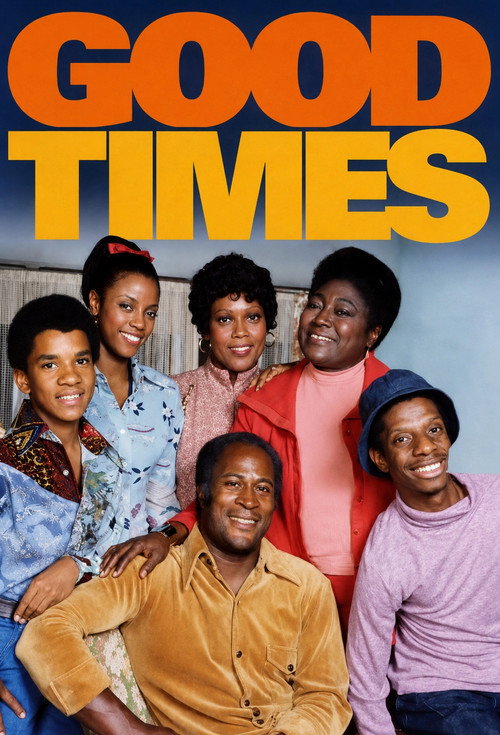
Good Times is an American sitcom that originally aired from February 8, 1974, until August 1, 1979, on the CBS television network. It was created by Eric Monte and Mike Evans, and developed by Norman Lear, the series' primary executive producer. Good Times is a spin-off of Maude, which is itself a spin-off of All in the Family along with The Jeffersons. The series is set in Chicago. The first two seasons were taped at CBS Television City in Hollywood. In the fall of 1975, the show moved to Metromedia Square, where Norman Lear's own production company was housed.
Open details →
1979
You Can't Do That on Television is a Canadian television program that first aired locally in 1979 before airing internationally in 1981. It featured pre-teen and teenaged actors in a sketch comedy format. Each episode had a theme. The show was notable for launching the careers of many performers, including Alanis Morissette, and writer Bill Prady, who would write and produce shows like The Big Bang Theory, Gilmore Girls and Dharma and Greg. The show was produced by and aired on Ottawa's CTV station CJOH-TV. After production ended in 1990, the show continued in reruns on Nickelodeon through 1994, when it was replaced with the similar All That. The show is synonymous with Nick, and was at that time extremely popular, with the highest ratings overall on the channel. The show is also well known for introducing the network's iconic slime. The program is the subject of the 2004 feature-length documentary, You Can't Do That on Film, directed by David Dillehunt.
Open details →

2005
Nick Cannon and an A-list celebrity lead a team of improv comedians as they compete against each other.
Open details →
2012
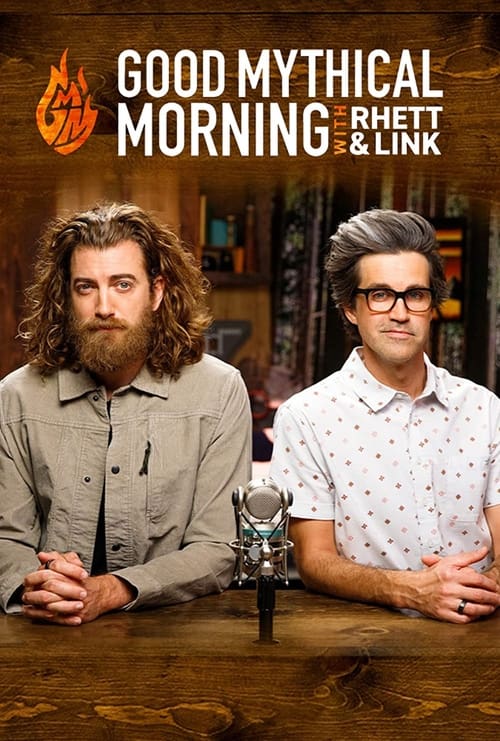
Two "Internetainers" (Rhett & Link) go far out and do the weirdest things, giving you a daily dose of casual comedy every Monday-Friday.
Open details →
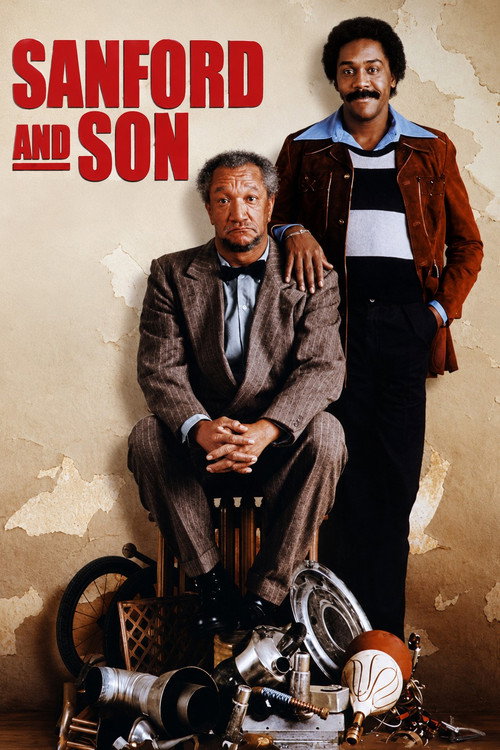
1972
The misadventures of a cantankerous junk dealer and his frustrated son.
Open details →

1976
Second City Television is a Canadian television sketch comedy show offshoot from Toronto's Second City troupe that ran between 1976 and 1984.
Open details →
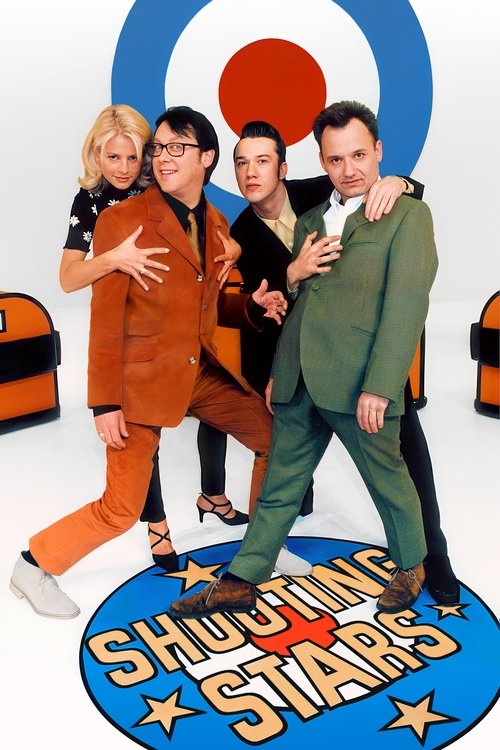
1993
Shooting Stars is a British television comedy panel game broadcast on BBC Two as a pilot in 1993, then as 3 full series from 1995 to 1997, then on BBC Choice from January to December 2002 with 2 series before returning to BBC Two for another 3 series from 2008 until its cancellation in 2011. Created and hosted by double-act Vic Reeves and Bob Mortimer, it uses the panel show format but with the comedians' often slapstick, surreal and anarchic humour does not rely on rules in order to function, with the pair apparently ignoring existing rules or inventing new ones as and when the mood takes them.
Open details →
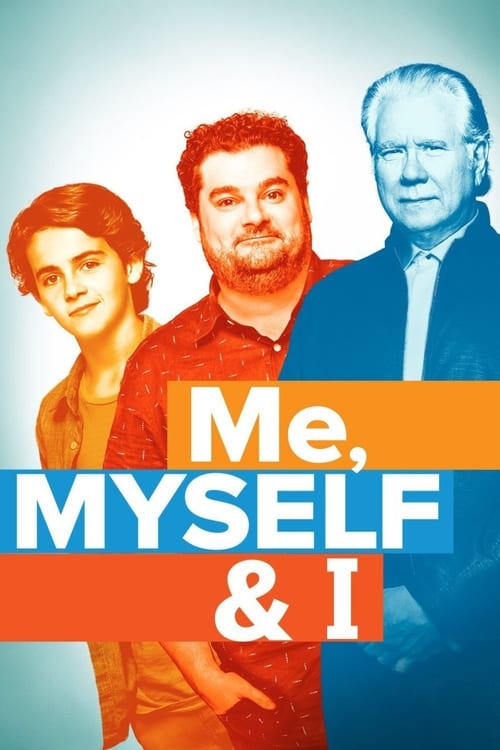
2017
A comedy examines one man's life over a 50-year span. It explores three distinct periods in his life - as a 14-year-old in 1991, a 40-year-old in present day and a 65-year-old in 2042.
Open details →
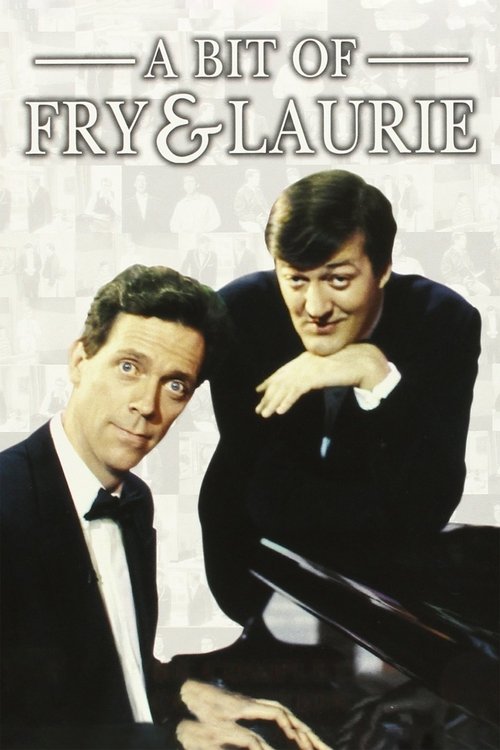
1989
A British comedy television series with turns of phrase and elaborate wordplay, written by and starring former Cambridge Footlights members Stephen Fry and Hugh Laurie.
Open details →
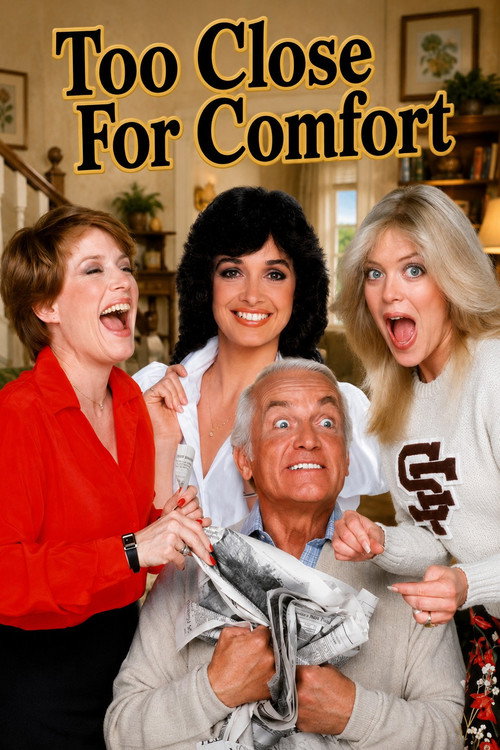
1980
Too Close for Comfort is an American television sitcom which ran on the ABC network from November 11, 1980 until May 5, 1983, and in first-run syndication from April 7, 1984 until September 27, 1986. It was modeled after the British series Keep It in the Family, which premiered nine months before Too Close for Comfort debuted in the U.S. Its name was changed to The Ted Knight Show when the show was retooled for its final season.
Open details →