

Series
★ 6.3
1999
Who Wants to Be a Millionaire?
American version of the tense gameshow where contestants tackle a series of multiple-choice questions to win large cash prizes.
Open details →
50 Grand Slam is a game show from Ralph Andrews Productions that aired on NBC from October 4 to December 31, 1976. Tom Kennedy hosted the show, with John Harlan as the announcer. It premiered and ended on the same day as the show that preceded it on the NBC schedule, Stumpers!, which was hosted by Allen Ludden, who appeared at the beginning of the premiere to wish Kennedy luck. Name That Tune, also hosted by Kennedy, took over the time slot previously occupied by 50 Grand Slam on NBC the following Monday.
Tap a face for their filmography
Season 1
1 episodes · 1976
1999
American version of the tense gameshow where contestants tackle a series of multiple-choice questions to win large cash prizes.
Open details →
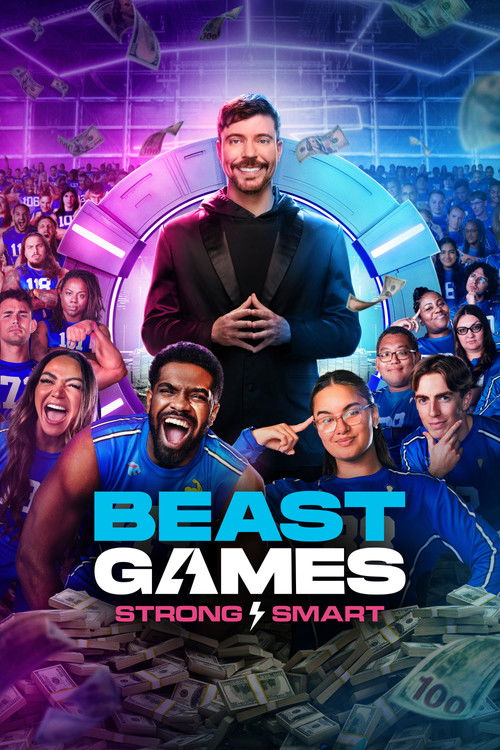
2024
I gathered 1,000 people to fight for $5,000,000, the LARGEST cash prize in TV history! We're also giving away a private island, Lamborghinis, and millions more in cash throughout the competition! Go watch to see the greatest show ever made!
Open details →
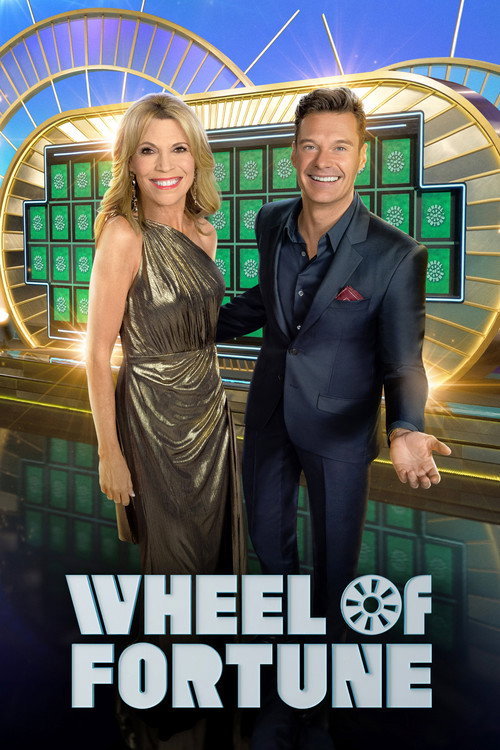
1983
This game show sees contestants solve word puzzles, similar to those used in Hangman, to win cash and prizes determined by spinning a giant carnival wheel.
Open details →
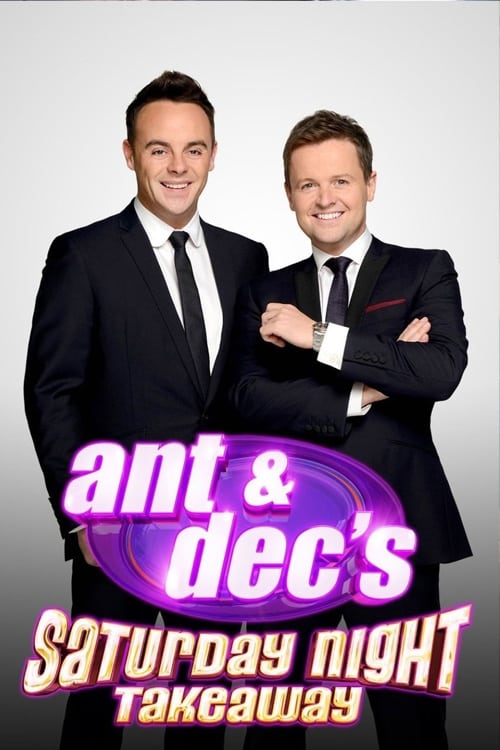
2002
A gameshow hosted by Ant and Dec filled with stunts, sketches, and special guest appearances.
Open details →

1972
"Come on down!" The Price Is Right features a wide variety of games and contests with the same basic challenge: Guess the prices of everyday (or not-quite-everyday) retail items.
Open details →

1982
The clock is ticking as contestants compete in games of lexical dexterity and numerical agility.
Open details →

2010
The Great Food Truck Race is a reality television series, that originally aired on August 15, 2010, on Food Network, with Tyler Florence as the host. It features competing food trucks. The fourth season premiered on August 18, 2013.
Open details →

2002
Takeshi's Castle was a Japanese game show that aired between 1986 and 1990 on the Tokyo Broadcasting System. It featured the Japanese actor Takeshi Kitano as a count who owns a castle and sets up difficult challenges for players to get to him. Contestants throw themselves into daunting physical challenges as they attempt to storm Takeshi's Castle and win the grand prize of one million yen. The show has become a cult television hit around the world. A special live "revival" was broadcast on April 2, 2005, for TBS's 50th anniversary celebrations.
Open details →
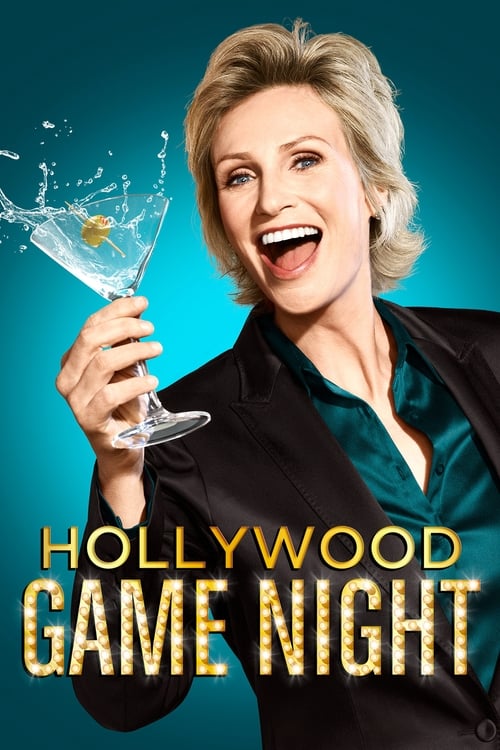
2013
Two contestants are transported from their everyday lives into a once-in-a-lifetime night of fun and celebration as they play party games with some of their favorite celebrities and compete for the chance to win up to $25,000.
Open details →
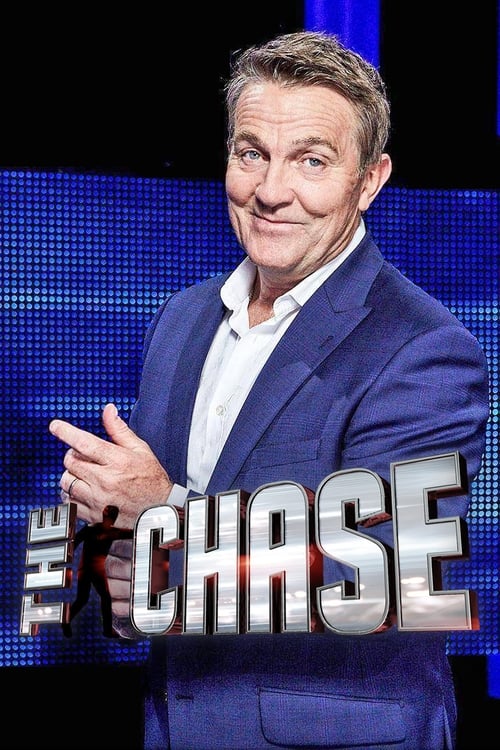
2009
The Chase isn’t just a quiz… it’s a race, where the players must ensure they stay one step ahead of ‘The Chaser’, a ruthless quiz genius determined to stop them winning at all costs.
Open details →

1984
America's favorite quiz show where contestants are presented with general knowledge clues in the form of answers, and must phrase their responses in question form.
Open details →
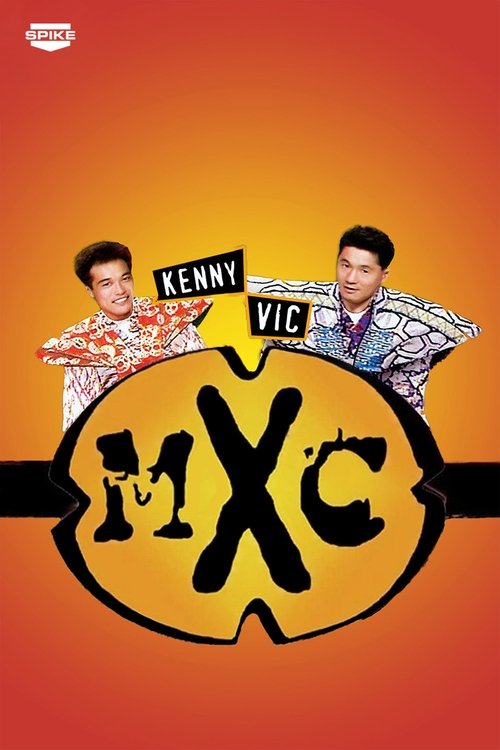
2003
Footage from the popular game show, Takeshi's Castle has been re-edited, re-written and re-voiced into a hilarious, intentionally over-produced, modern "action/X-treme" sports show.
Open details →
1979
60 Minutes, an Australian version of the U.S. television newsmagazine 60 Minutes, airs on Sunday nights on the Nine Network and is presented in much the same way as the American program on which it is based. The New Zealand version of the show has also featured segments of the Australian version. Gerald Stone, the founding executive producer, was given the job by Kerry Packer and was told: "I don't give a f... what it takes. Just do it and get it right." After the first episode was broadcast on 11 February 1979, Packer was less than impressed, telling Stone: "You've blown it, son. You better fix it fast." Over the years, Stone's award winning 60 Minutes revolutionised Australian current affairs reporting and enhanced the careers of Ray Martin, Ian Leslie, George Negus, and later Jana Wendt. Since it was first broadcast, 60 Minutes has won five Silver Logies, one Special Achievement Logie, and received nominations for a further six Logie awards.
Open details →

2018
Players from all walks of life will compete to win up to £50,000. All living in one modern block but separately in individual apartments, the players will never come face-to.face, and can only interact with one another through an specially-designed app called The Circle.
Open details →
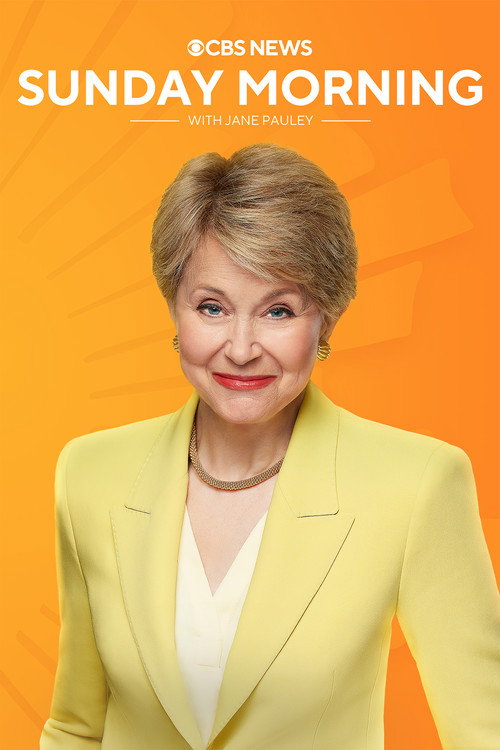
1979
The sparkling notes of a trumpet fanfare and the familiar logo of the sun alert viewers that it's time for CBS's Sunday morning staple. Journalist Jane Pauley helms the show, taking over hosting duties from Charles Osgood, who spent 22 years on the job. A morning talk show, this program airs at a different pace and focuses much of its attention on the performing arts. After a quick update of the day's news and national weather, correspondents offer longer-length segments on a variety of topics, from architecture to ballet to music to pop culture to politics.
Open details →
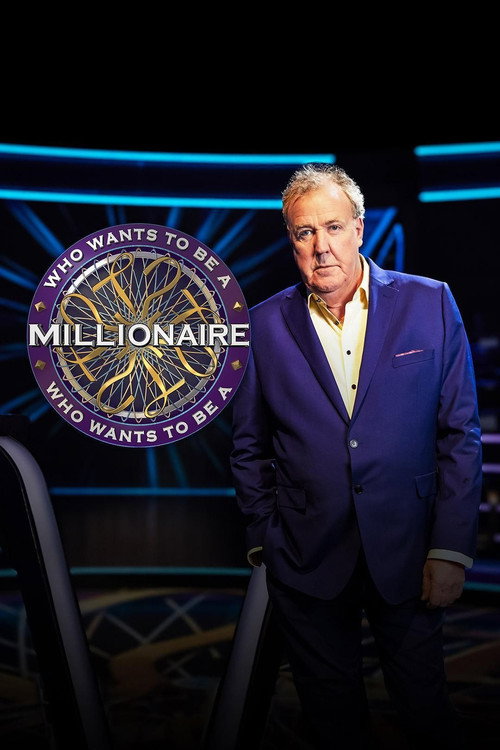
1998
A game show created in the United Kingdom, in which contestants attempt to answer general knowledge questions in an intimidating atmosphere in order to scoop the £1 million top prize. The original series was hosted by Chris Tarrant, and its modern-day revival is hosted by Jeremy Clarkson.
Open details →
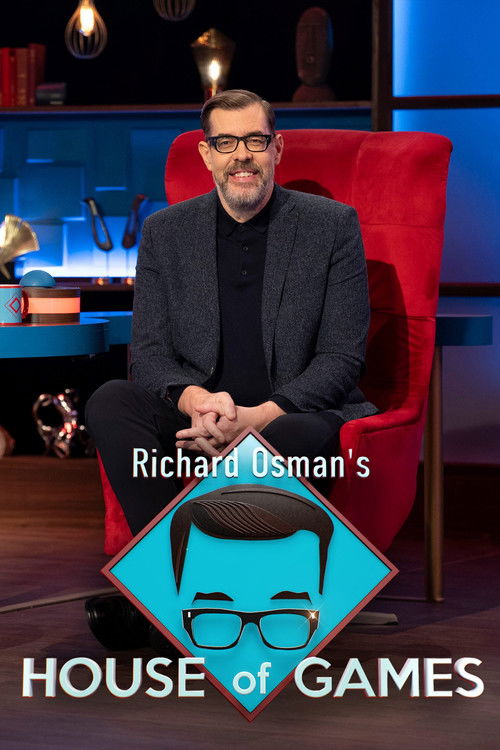
2017
Each week a group of four famous faces go toe to toe in testing their general knowledge skills in a variety of entertaining games.
Open details →
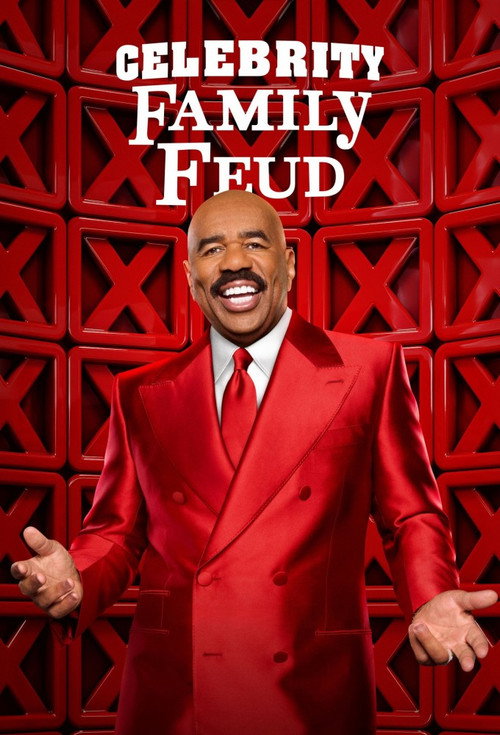
2015
Celebrity Family Feud pits celebrities and their families against each other in a contest to name the most popular responses to survey-type questions posed to 100 people.
Open details →
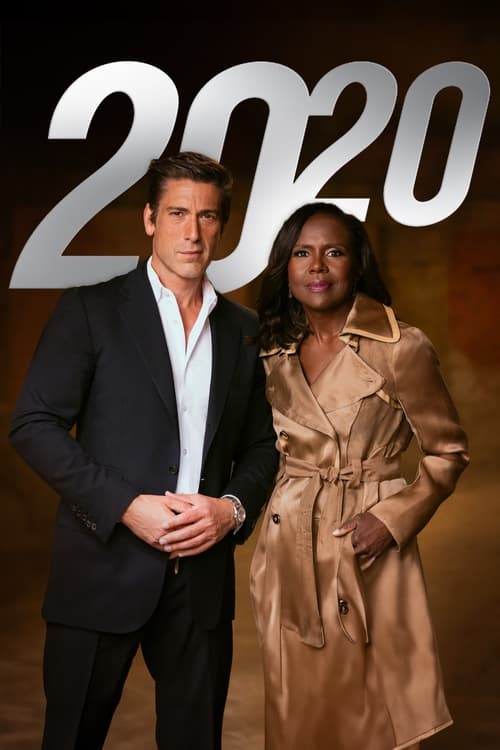
1978
20/20 is an American television newsmagazine that has been broadcast on ABC since June 6, 1978. Created by ABC News executive Roone Arledge, the show was designed similarly to CBS's 60 Minutes but focuses more on human interest stories than international and political subjects. The program's name derives from the "20/20" measurement of visual acuity. The hour-long program has been a staple on Friday evenings for much of the time since it moved to that timeslot from Thursdays in September 1987, though special editions of the program occasionally air on other nights.
Open details →
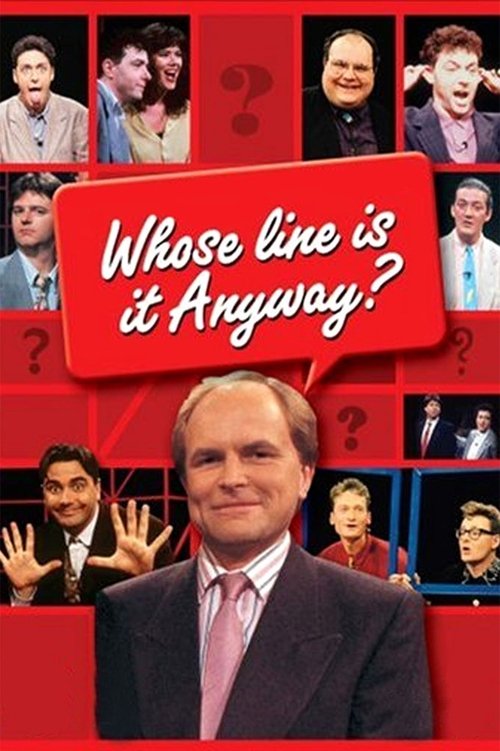
1988
An un-scripted comedy show in which four guest performers improvise their way through a series of games, many of which rely on audience suggestions.
Open details →